


Want to learn about family offices and understand how to raise money from them?
We’re hosting a workshop for Profluence members on October 23rd.
📅 Upcoming Member Events
10/27: Office Hours w/ Scott & Andrew - get help with your business from Profluence
11/6: Founder’s Fundraising - ask questions about your raise & learn from others
🔗 Members can RSVP for events here
💬 New Profluence Members
David Greif - HEPOX
Jeroen Bakker - 50xlabs
Ryan Cardwell - Game-on
Patrick Harding - Shea-co
Jasper Goossen - Show Power
Hans Borgers - RSI Sports Group
🔗 Connect directly with new members here.
🎙 Podcasts
Nery Gomez - CEO & Partner, BlackSun PE
Ron Shimek - CEO, i9 Sports
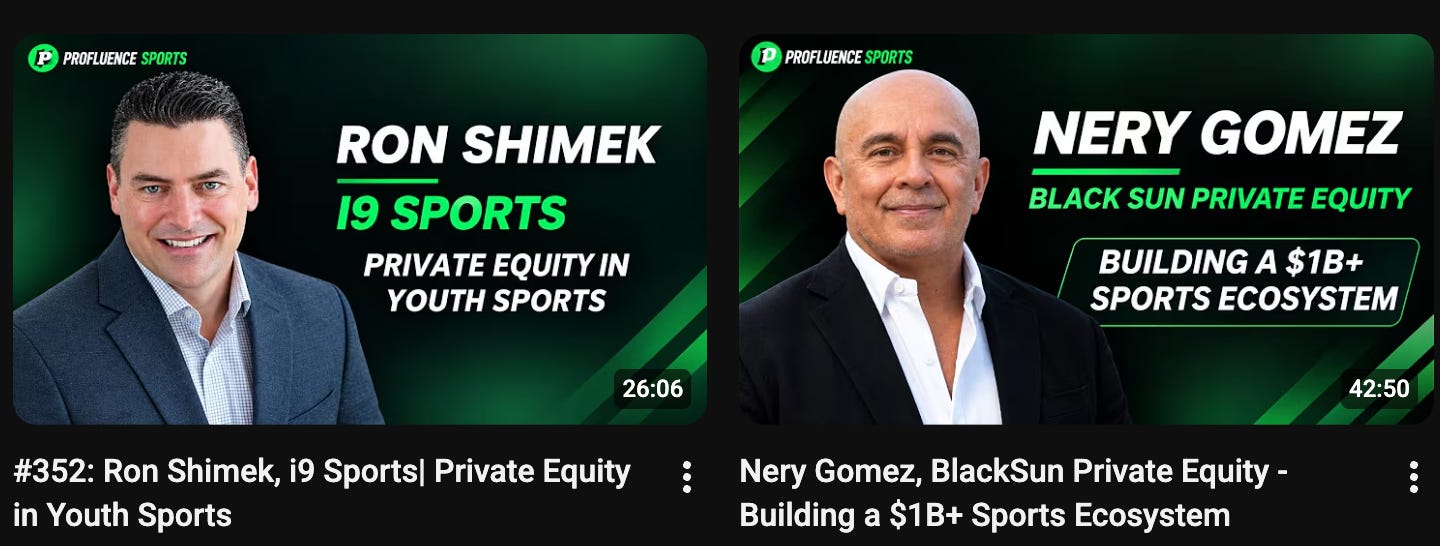
Great conversations from industry leaders!
Now for today’s deep dive👇
Why Everyone Wants A Piece of Sports
BlackSun Private Equity just raised $1 billion (and is targeting $6 billion).
I recently had its President & Co-Founder, Nery Gomez, on the Profluence Podcast.
And there are multiple players making big moves in the space now:
Ares raised $3.7B for its sports, media & entertainment strategy.
Arctos reported $4.4B of committed capital across its first two sports funds.
Sixth Street has invested across the Celtics, Spurs, Giants, Real Madrid, Barcelona, and others.
Apollo launched an entire sports investment platform in 2025 and recently agreed to a $2.6B financing with Yankee Global Enterprises.
Blackstone joined the $1.78B acquisition of Royal Challengers Bengaluru earlier this year.
Several MAJOR things from my conversation with Nery stuck with me, and it’s worth digging deeper.
The Fan Economy
Nery said something during our conversation that I thought summed this up perfectly:
“Every sports team has an array of attributes built in that most businesses spend a lot of money to try and create.”
Attention
Loyalty
Passion
Continuous spending
And, maybe most importantly, identity
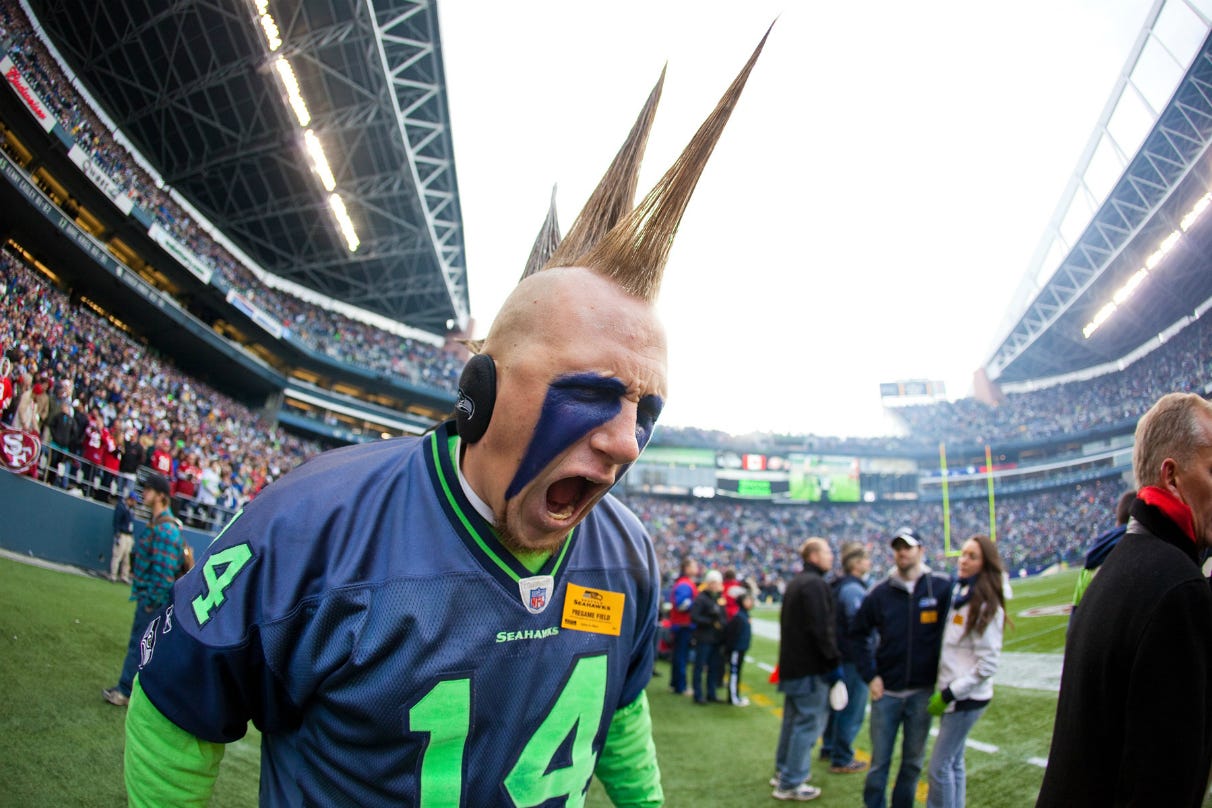
Think about how unusual that is…
Nike has to convince you to buy another pair of shoes, and your favorite restaurant has to convince you to come back again…
Your favorite sports teams might have had you since you were six years old (even if they’re really bad, like my Pittsburgh Pirates).
I like to call this the “fan economy.”
The intellectual property sits in the middle, attracts the fans, and then everything starts to form around it (creating opportunities to build businesses around it).

A team can sit at the center of an entire ecosystem.
And the more pieces you control, the more valuable the underlying ecosystem can become.
BlackSun’s approach is to get assets that can stand on their own while also supporting everything else they own.
Nery described the process pretty simply:
The franchise attracts the attention.
Media then extends it.
Technology monetizes it.
Capital makes everything work.
Stop the Leakage
This was one of the more unique concepts from the entire conversation.
Nery called it “leakage.”
Imagine owning a sports property that generates enormous fan attention, but every time your fans do something valuable, someone else makes the money.
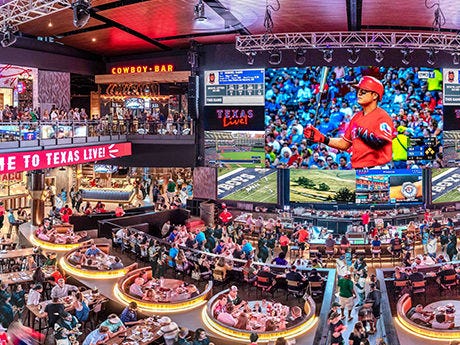
He then provided a few examples:
Fans watch your content on someone else’s platform.
Fans buy tickets through someone else’s marketplace.
Fans place bets through someone else’s sportsbook.
Fans stay at someone else’s hotel.
Fans eat at someone else’s restaurant.
Fans buy merchandise through someone else’s store.
Fans train using someone else’s technology.
You’ve created the demand...but someone else captures the economics.
A tangible example of leakage is the Boston Celtics.
The Celtics play at TD Garden, but don’t own it. So despite being the asset bringing 19,000+ fans into the building, they’re not capturing all of the economics happening around those fans.
BlackSun’s strategy is to bring more pieces of that ecosystem in-house. And we’re seeing that especially in the “entertainment district” projects taking shape across America.
The Atlanta Braves are one of the better examples here.
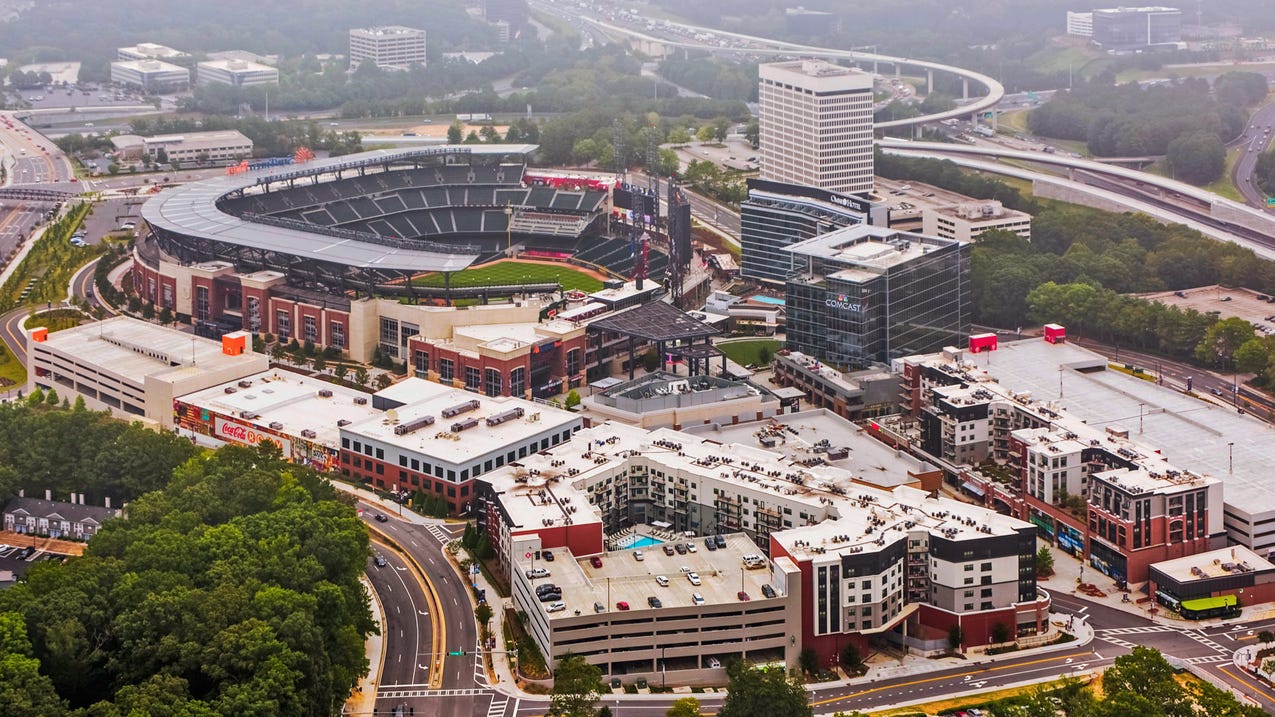
They built The Battery Atlanta, a 2.25M-square-foot ecosystem of restaurants, hotels, offices, residences, retail, and entertainment around Truist Park.
And this is pretty crazy…
In 2025, the mixed-use business produced $68.5M in adjusted operating income compared to $51.1M from the baseball business itself.
Look at What’s Already Happening
Sports, entertainment, media and technology used to be much more isolated..but now they’re blending together.
And I think this is only accelerating:
Leagues are becoming content companies.
Media companies are buying sports rights.
Technology companies are buying sports rights.
Sports properties are launching direct-to-consumer products.
Teams are increasingly tied to massive real estate developments.
Stadium districts are becoming year-round entertainment destinations.
Much of this trend stems from the fact that sports has become one of the best remaining aggregators of mass attention.
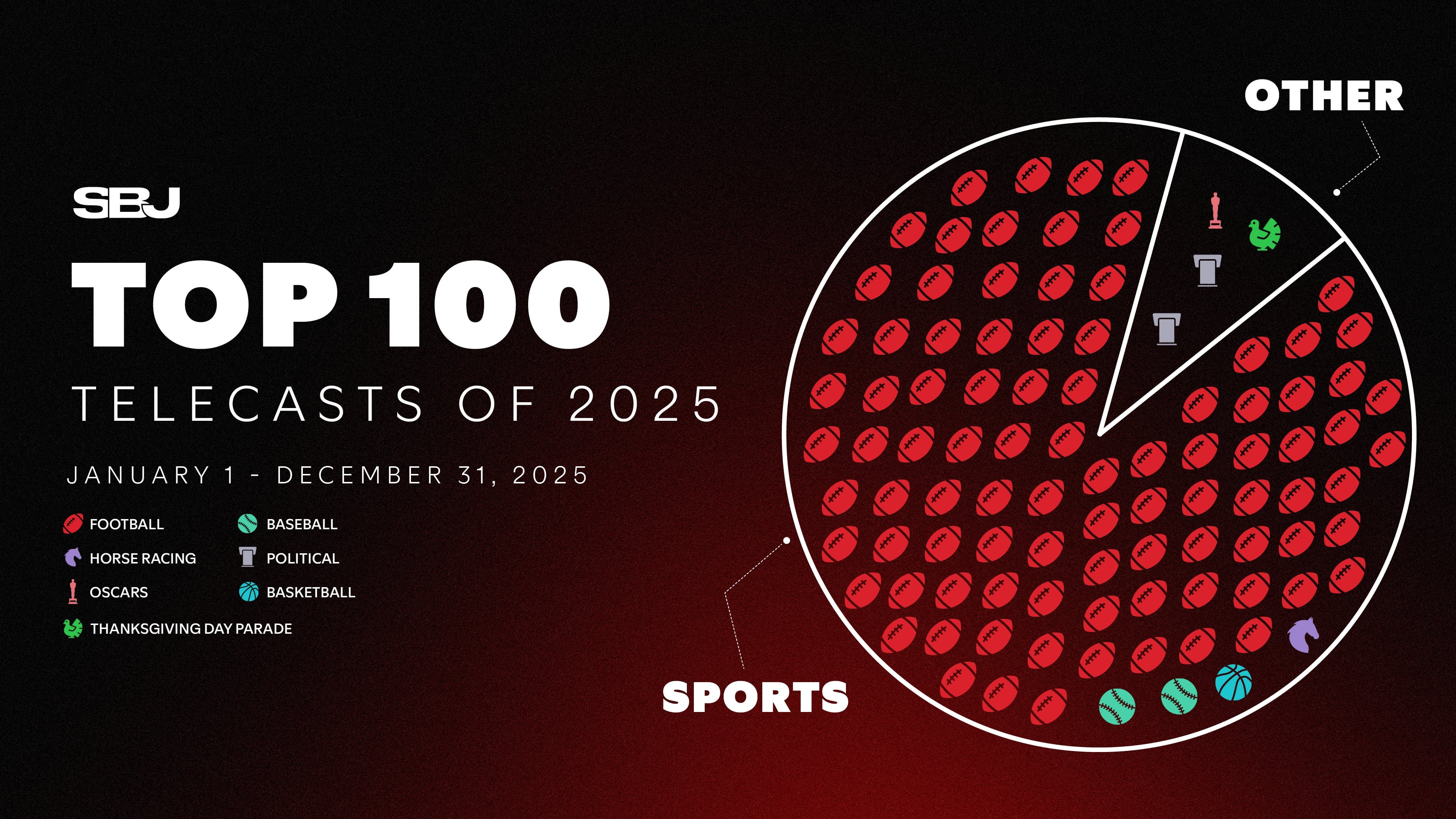
There are very few things left where millions of people still voluntarily show up at the same time to do the same thing.
And the numbers back this up.
During the 2025 NFL season, 48 of the 50 most-watched shows on television were NFL games. The Cowboys-Chiefs game on Thanksgiving averaged 57.2M viewers.
Sports are truly unmatched in aggregating attention!
So What are the Risks?
“Money alone doesn’t create a sports ecosystem”…this was another interesting segment of my conversation with Nery.
We used LIV Golf as the example (whatever your opinion of it); it’s a fascinating case study.
Enormous amounts of capital entered golf.
Top players were offered massive contracts.
A new league was created.
Distribution followed.
But money couldn’t instantly recreate decades of history, tradition, fan behavior and institutional relationships.
This is because, in my eyes…
Sports businesses aren’t normal businesses.
You can’t necessarily throw $1 billion at something and expect people to care.
All the stakeholders have to be bought in to the mission (fans, athletes, sponsors, media partners, local businesses, politicians, and definitely surrounding communities).
I will say that it’s one of the weird parts about sports…
Asset aren’t entirely owned by the owner (legally, yes…but culturally fans need to feel ownership to some degree).
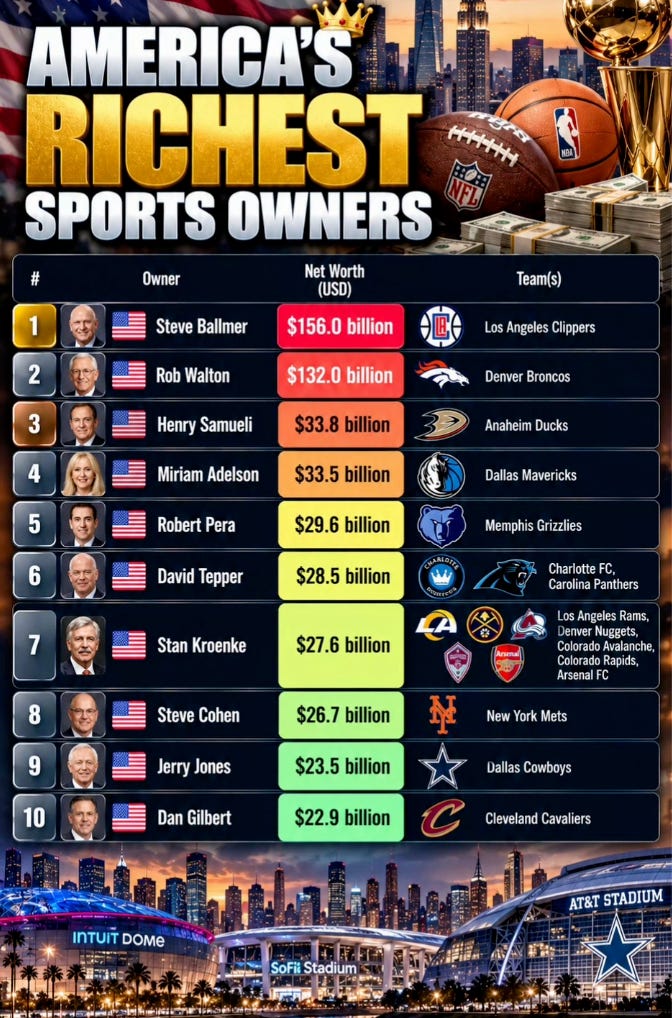
That’s why DAOs and even crowdfunds made sense for sports, but the timing was off, and still is.
Leaving off with this…
Sports isn’t just a spreadsheet.
This is where I think some institutional investors could get sports very right...and others could get it very wrong.