


Good Sports Podcast on AI agents
I recommend listening to my recent podcast with JM Arseaneau, co-founder of Winnia.
After selling his last data company, he’s been diving deep into AI agents and their role in sports.
Now to today’s briefing 👇
Nearly three years ago, I talked about the power of generative AI as it was going mainstream.
See the full article here:

But today…
The next wave of AI technology is emerging before our eyes.
Agentic AI.
*Note: if you haven’t played around with AI agents yet, I HIGHLY recommend it
Sports are Drowning in Data
The story of agentic AI starts with what has taken place over the last twenty years.
Every sports organization is sitting on mountains of information:
CRM records
Ticketing data
Sponsorship data
Venue operations
Email engagement
Mobile app activity
Merchandise purchases
The problem is no longer about visibility (most organizations already know what should happen).
The problem is execution.
Organizations simply don’t have enough time, people, or coordination to make it happen consistently and act on the insights sitting inside their systems.
The next generation of technology will focus on enabling decisions (rather than just helping people make decisions).
Why “Agentic” Matters
Nvidia CEO Jensen Huang said during a keynote that enterprise AI agents would create a “multi-trillion-dollar opportunity” for many industries.
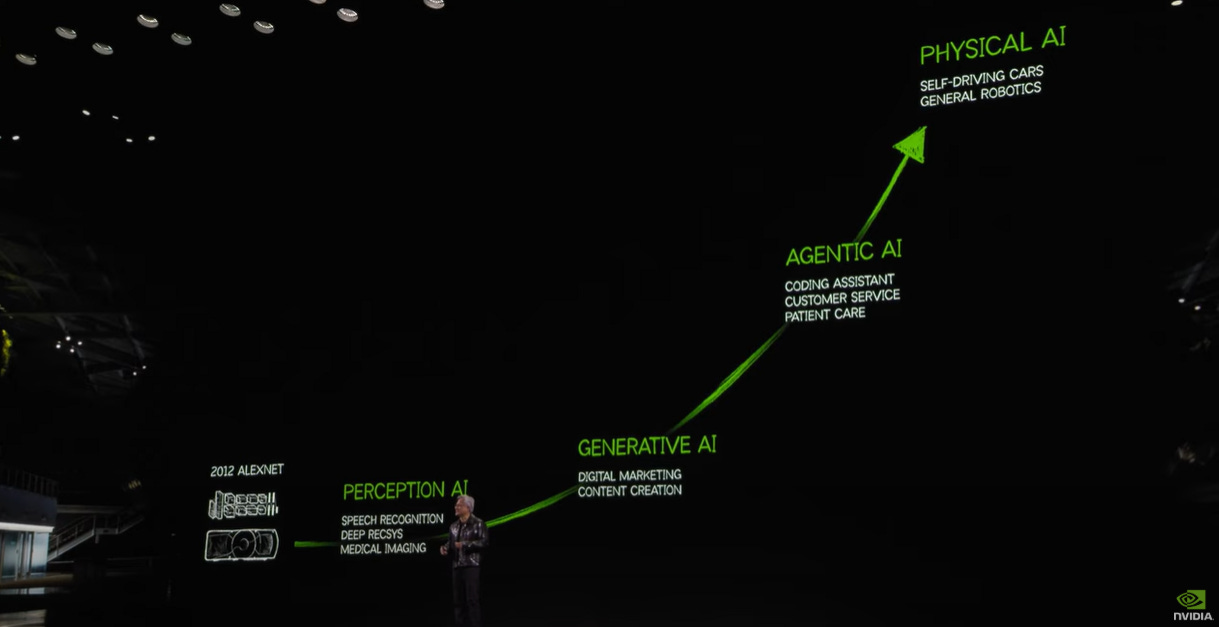
The word “agentic” comes from agency, the ability to take action toward a goal.
Traditional software waits for instructions, but agentic AI pursues objectives.
Instead of asking:
“What should we do?”
Organizations can increasingly ask:
“Can you do this for us?”
That shift from information → decision → execution is what makes Agentic AI potentially one of the biggest technology transitions since the internet itself.
So what is Agentic AI?
A commonly accepted definition is:
AI Agents are autonomous software systems that perceive, reason, and act in digital environments to achieve goals on behalf of human principals, with capabilities for tool use, economic transactions, and strategic interaction.
AI agents can:
employ standard building blocks, such as APIs
communicate with other agents and humans
receive and send money
access and interact with the internet
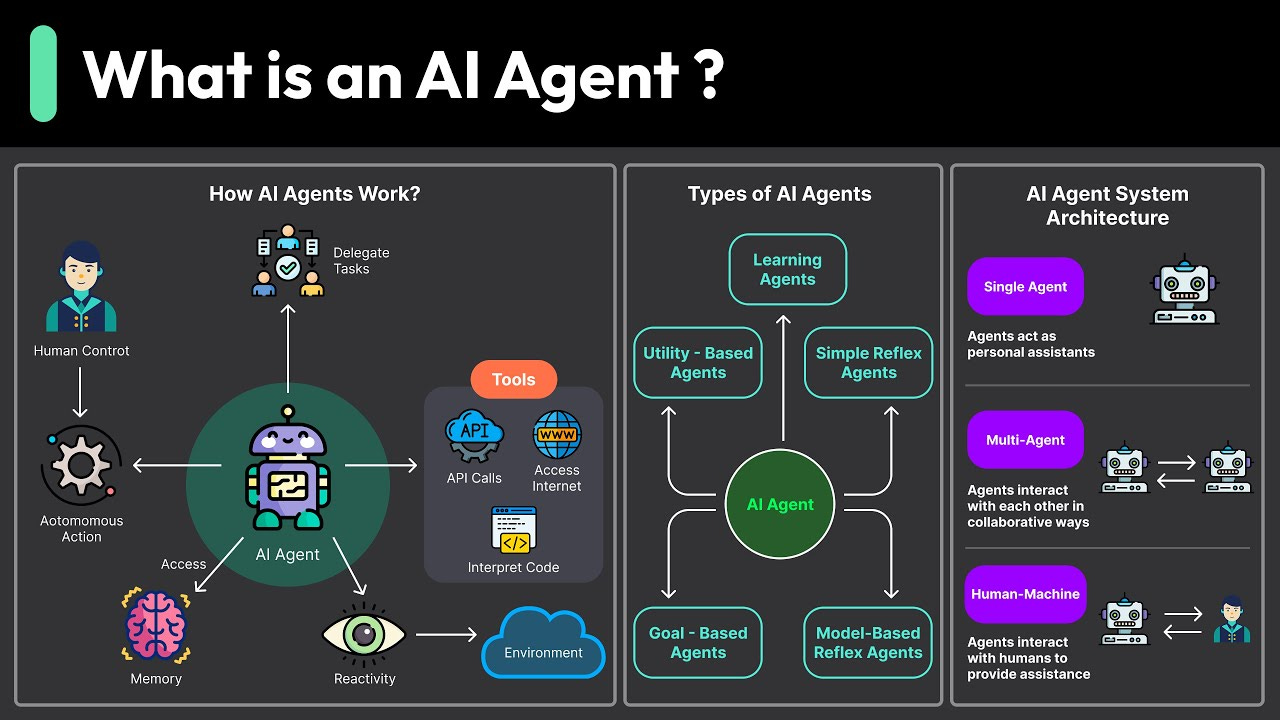
AI agents enhance large language models (LLMs) and similar generalist AI models by enabling them to automate complex procedures.
They can execute multi-step plans, use external tools, and interact with digital environments to function as powerful components within larger workflows.
For example…
An AI agent could plan attending the World Cup using input from a consumer along with API access to specific web sites, emails, and communications platforms to decide what hotels or flights work best. With credit card permissions, the agent could book and pay for the entire transaction without human involvement.
The Agentic AI Era
To understand why Agentic AI matters, it helps to understand how we got here:
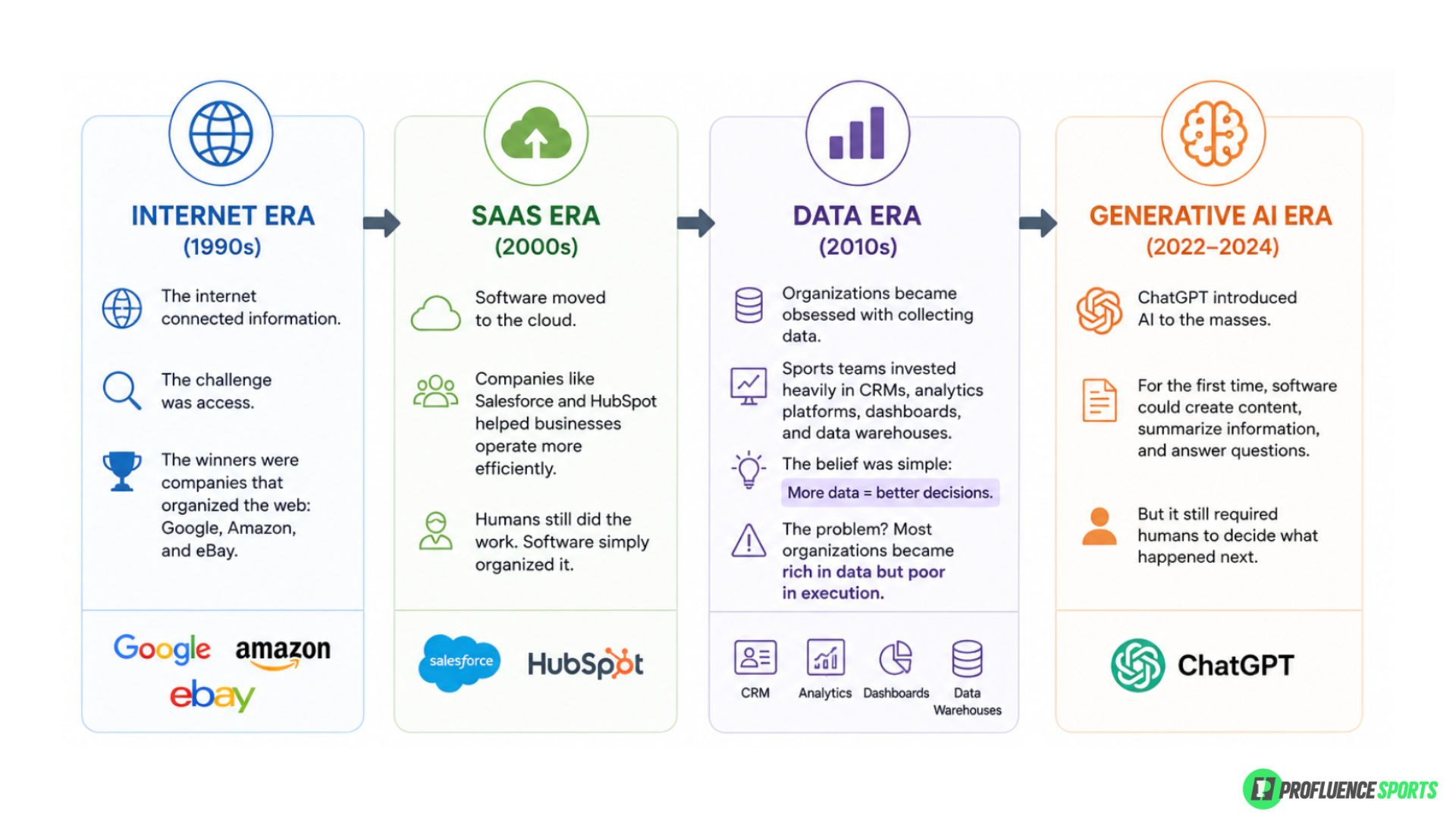
Agentic AI Era (2025+)
This is where things get interesting, as instead of:
Human → Software → Action
The NEW workflow becomes:
Human → Goal → AI Agent → Action
An AI agent can:
Analyze information
Make decisions
Execute tasks
Measure results
Improve over time
The shift is from software that helps people work to software that works alongside people.
Think of it more like a digital employee (and one that never sleeps).
The First Major Opportunity in Sports
The most obvious sports application is…