


Curious about family offices and how they invest in sports?
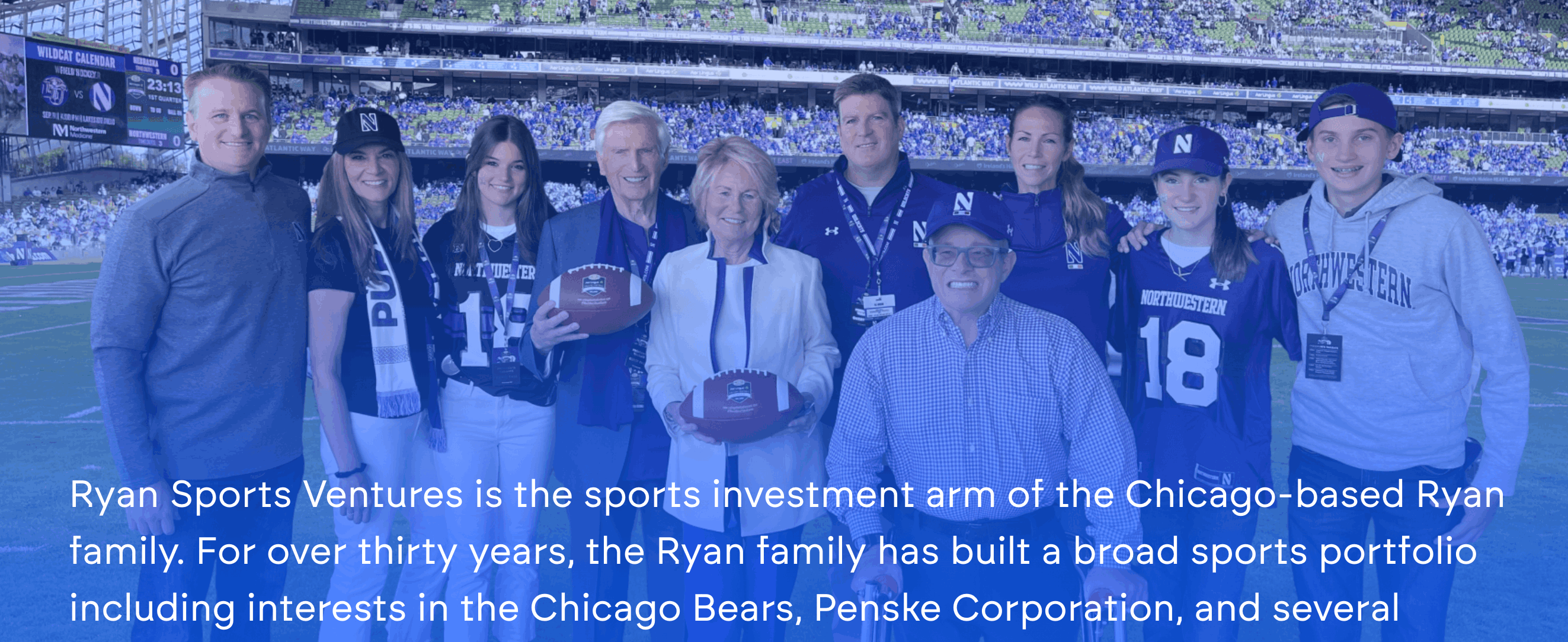
We have Brian Kopp, a Partner at Ryan Sports Ventures, coming to speak with Profluence members on August 28th.
📅 Upcoming Member Events
8/25: Office Hours w/ Profluence team
8/28: Brian Kopp Q/A: Partner, Ryan Family Office
9/4: Founder’s Fundraising session
🔗 Members can RSVP for events here
💬 New Profluence Members
John Solomon - Inman
Matthew Bywater - Sailias
Jack Selati - XMS Capital
Roy Kessel - Sports Philanthropy Network
Matt Gray - Chicago Blackhawks
James Mitchell - P7 Athletic
Teri Brooks - Blitz Board Stats
Jean Pierre Langlois - Woosah Coach
Francois Ransom - Power Suit Motion
Bob Heere - University of North Texas
AP Baramuli - SparX
João Touma - Licenci
T. S. Riley - ProScouter
Katrina Carlsen - Virtus
James Duvall - FundRally App
🔗 Connect directly with new members here.
🎙 Podcasts
Alex Dreyfus - CEO, Chiliz
Sean DeRue - CEO, IRONMAN

Great conversations with some of the largest sports companies in the world!
Now for today’s deep dive👇
Why Outsiders Keep Winning in Sports
Some of the most successful sports companies of the last decade weren’t built by people who spent their entire careers in sports.
In fact, many were founded by people who barely worked in the industry at all.
Some examples:
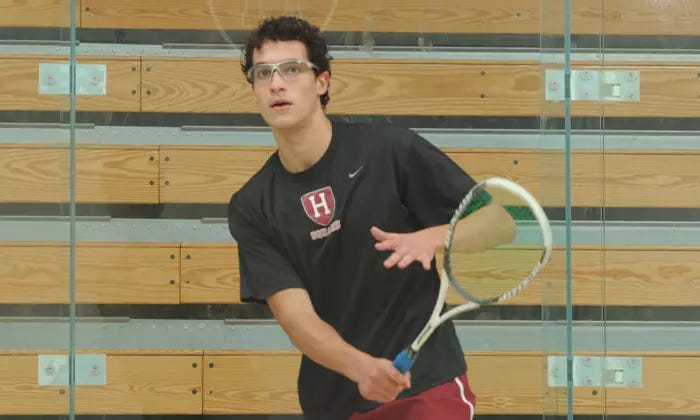
WHOOP was founded by Will Ahmed while he was at Harvard.
Peloton was co-founded by John Foley, whose background was largely in e-commerce and technology.
DraftKings was started by Jason Robins, Matt Kalish, and Paul Liberman, who came from technology, analytics, and marketing backgrounds rather than traditional sports betting.
Strava was founded by Mark Gainey and Michael Horvath, two entrepreneurs with backgrounds in technology rather than traditional fitness.

And I think there’s something important in that.
The next billion-dollar sports company probably won’t come from someone trying to build a “sports company.”
It’ll come from someone who sees something working incredibly well somewhere else and realizes...
Why doesn’t this exist in sports?
Let’s Dive In👇
The Insider Problem
There’s obviously a huge advantage to knowing an industry really well.
You understand the customers, know the people, recognize the problems, and have a network to help you get started.
But there’s also a downside.
The longer you spend inside an industry, the easier it becomes to accept how that industry works.
You start hearing things like:
“Teams don’t buy that.”
“Fans don’t want that.”
“Athletes won’t use that.”
“Leagues would never allow it.”
“That’s not how sponsorship works.”
And sometimes those things are true…but sometimes they’re only true because nobody has built a better alternative yet.
I see this all the time in sports.
There are a lot of incredibly smart people making existing businesses incrementally better, but some of the biggest opportunities come from people asking a completely different question.
What already works somewhere else that hasn’t made its way into sports yet?
Innovation Gets Imported Into Sports
WHOOP didn’t invent the wearable…
Instead, they took a pretty boring piece of equipment and layered a bunch of other business models on top of it:
Hardware + Software + Content + Subscription + Community
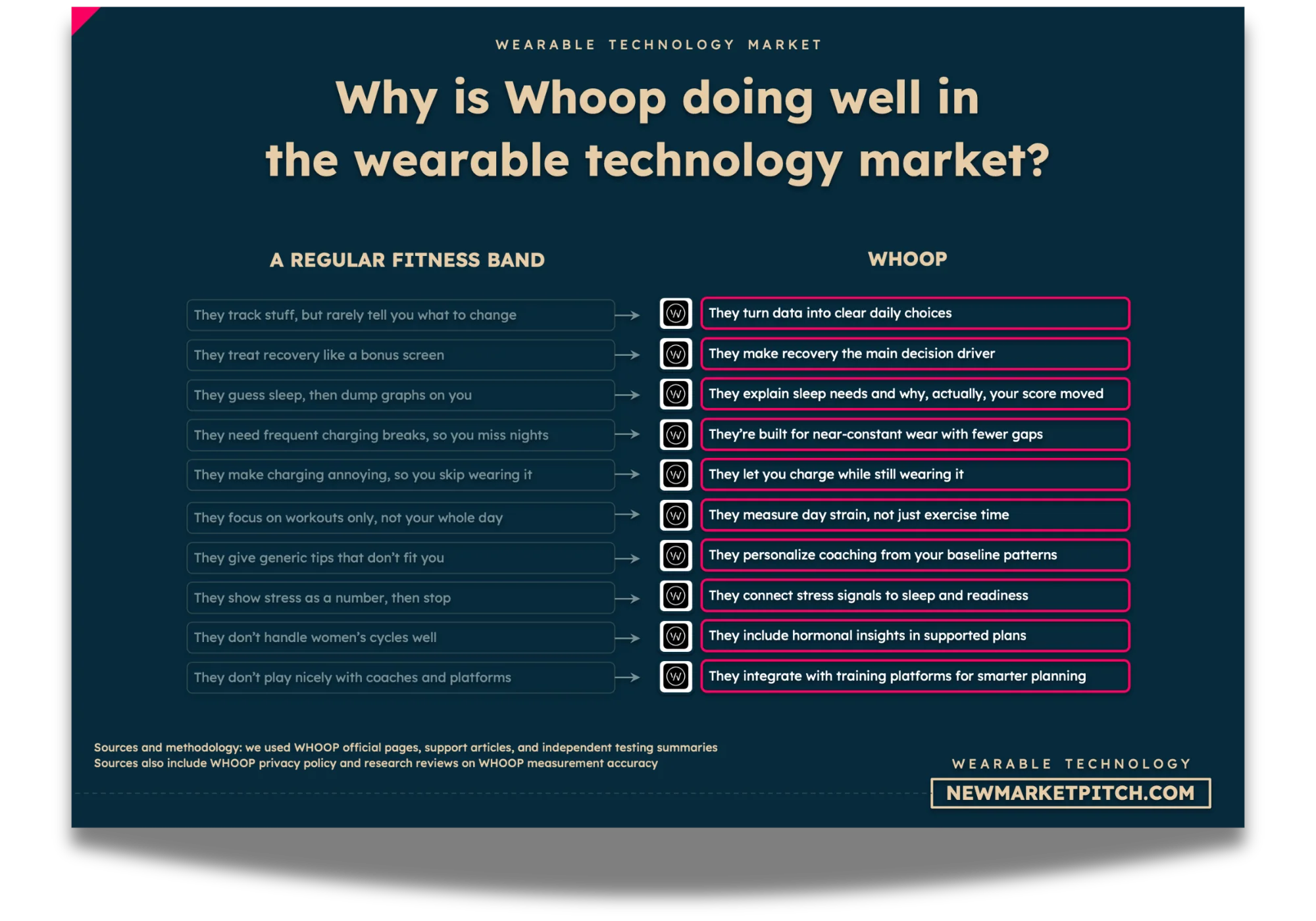
That combination turned a fitness tracker into a multi-billion-dollar company.
DraftKings did something similar by taking fantasy sports and combining it with mobile technology, gaming mechanics, data, and eventually betting.
The ideas themselves weren’t necessarily new. The application to sports was.
And I think we’re going to see significantly more of this over the next decade.
Every Major Technology Eventually Comes To Sports
This may be the easiest way to think about the opportunity.
Over the last few decades, massive industries have been created around:
AI
Software
Fintech
Robotics
Healthcare
Creator tools
Biotechnology
Computer vision
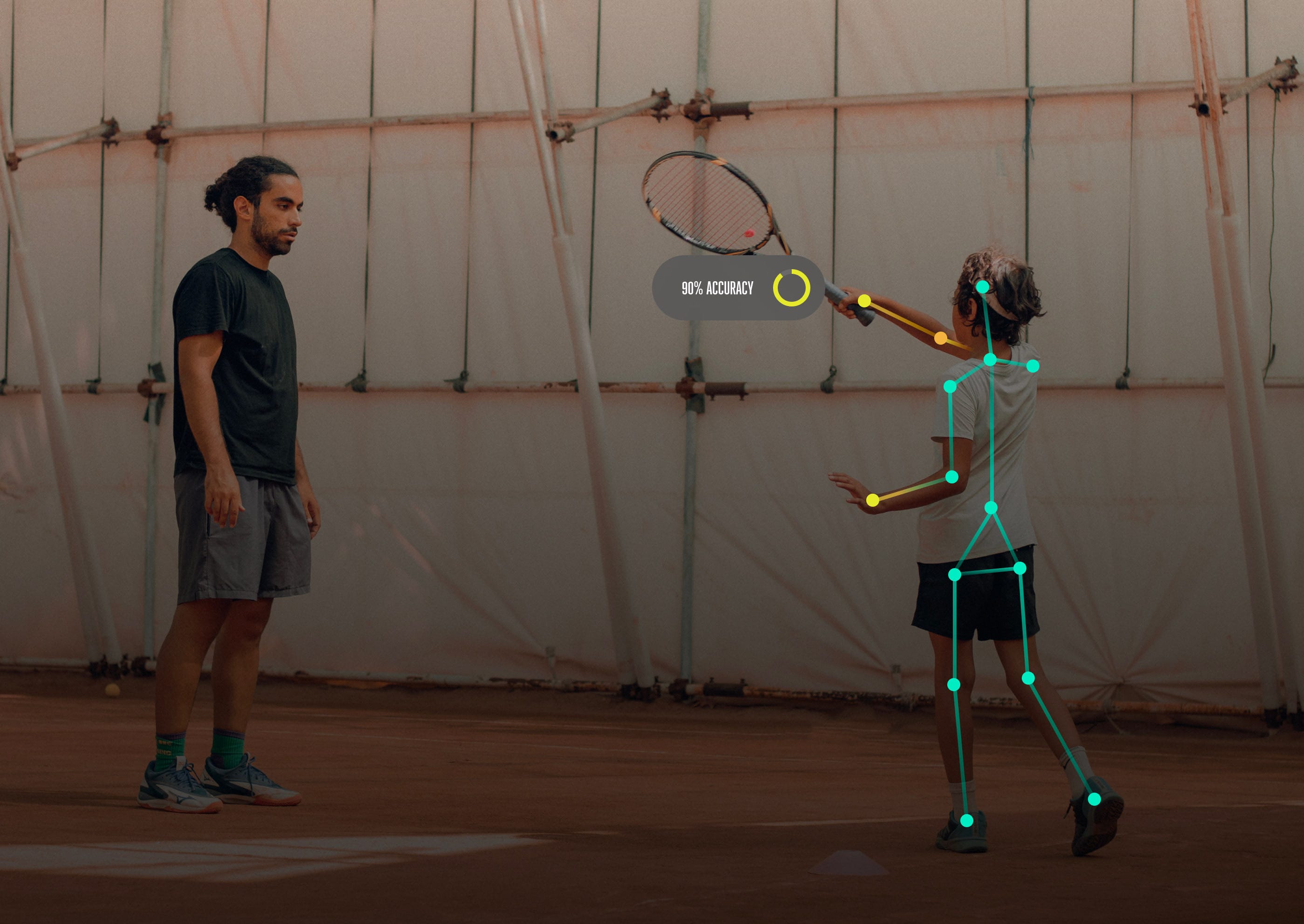
Sports doesn’t need to invent any of these technologies.
It just needs entrepreneurs to figure out the best ways to apply them to sports.
And we’re still really early in that process.
AI is already changing scouting, coaching, content creation, ticketing, sponsorship, athlete development, and fan engagement.
Computer vision is changing how games are filmed, analyzed, officiated, and understood.
Fintech is creating new ways to monetize athletes, teams, fans, and sports assets.
Healthcare and biotechnology are increasingly colliding with performance, recovery, longevity, and fitness.
Robotics will eventually have applications across training, officiating, venue operations, rehabilitation, and probably a bunch of things we haven’t thought about yet.
Sports is basically becoming an application layer for technologies being built everywhere else.
And that’s a pretty exciting place to be.
There’s Another Type of Founder Winning
There is one interesting counterpoint to all of this.