Want to ask questions to an exited sports tech founder?
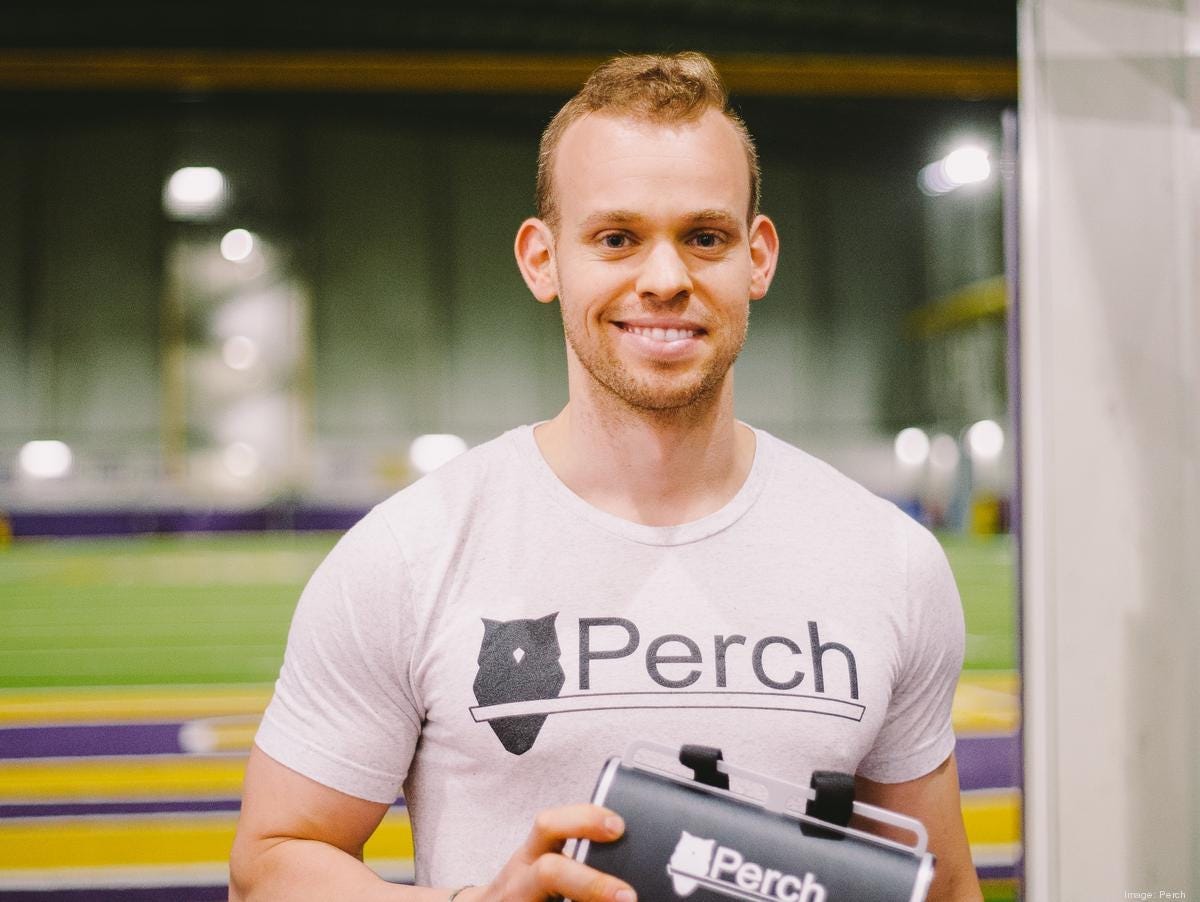
Jacob Rothman, who sold Perch to Catapult, is coming to speak with Profluence members on September 25th.
📅 Upcoming Member Events
9/11: Cold Outreach Tactics Workshop
9/16: Virtual Community Networking
9/25: Q&A w/ Perch Founder (sold to Catapult)
🔗 Members can RSVP for events here
💬 New Profluence Members
Karlos Walkes - XiQ
Marin Kim - P44 Sport
Lori Silverstein - Straive
Joel Funk - Morning Line
Shiri Rosenblum - Relay VC
Chris Lambert - Players, Inc
Xenia Bulatov - Ultimate Bots
Tim Miller - Strike Fighter League
Arlesha Amazan - Champion Strategies
Felipe Guevara - AWA Nutrition Holdings Inc.
Ben Pincus - Sports & Entertainment Commercial Advisor
🔗 Connect directly with new members here.
🎙 Podcasts
Tim Klitch - CEO, Strike Fighter League
Tim Miller - Owner, Austin Pickle Ranch
Great conversations from the Tim’s… first pod is on owning the pickleball ecosystem and the other is on taking sports to the air.
Now for today’s deep dive👇
The TikTok-ification of Sports
Look around sports, and you’ll start to notice what I’m talking about.
Cricket created Twenty20.
Golf has TGL and an explosion of creator-led golf leagues.
Tennis has experimented with shorter formats and faster presentation.
Basketball has 3x3, Unrivaled, and other alternative leagues built around more condensed formats.
Even the NFL (arguably the strongest traditional sports product in the world) has embraced alternative broadcasts, RedZone, creator content, and highlights distributed everywhere.
Adding on top of this…
You also have entirely new properties being designed from Day 1 for the “TikTok Environment”, such as the Baller League, Kings League, Slap Boxing, and new ones being created virtually every day.
So What’s Happening?
Sports are getting shorter, faster, louder, and increasingly built for people who might only give you 30 seconds of their attention.
We’re watching the TikTok-ification of sports happen in real time.
Still don’t believe me…
A UFC fighter is reportedly trying to fight a chimpanzee on live TV.
Just as the X account above properly notes the shift…
Sports are becoming more like what they started as…raw violence and shock factors.
A 19-year-old fan today might experience an MMA event through a 12-second highlight on TikTok, a meme on Instagram, a clip from a fighter’s podcast, a betting notification, and then maybe five minutes of the actual broadcast.
They still might call themselves a huge MMA fan, but they’re just consuming the sport completely differently.
Why is this Happening?
It all starts with the simple fact that attention has changed.
TikTok obviously didn’t invent short-form content, but it has helped train an entire generation to consume media in a completely different way.
Open the app, and every piece of content has ONLY a few seconds to earn your attention.
If you’re bored, you swipe.
Do that for hours a day, over a period of years, and it only makes sense that you become a completely different consumer when you turn on sports.
The younger generations want four key things out of their media:
faster, with less dead time
big personalities and drama
content on demand to switch in real time
and an experience that feels personalized to them
Traditional sports were largely built for a different environment (and they’re slowly starting to shift).
Sports are becoming content engines as one game/event now produces thousands of pieces of content.
Highlights, memes, interviews, mic’d-up clips, betting markets, fantasy outcomes, creator reactions, behind-the-scenes footage, podcasts, player content, documentaries, social conversations...
That’s one reason I think personalities are becoming so important (and you’re seeing podcasts like the Kelce’s New Heights take off).
The most valuable athletes increasingly produce great highlights and have personalities that produce content 24/7.
This Changes How Sports Are Designed
Once you start thinking about sports through this lens, many recent trends make more sense:
Schedules are more event-driven
Creators brought into broadcasts
Leagues putting microphones on players
Behind-the-scenes documentaries popping up everywhere
Emerging leagues putting more emphasis on celebrations, personalities, uniforms, entrances, storytelling, and everything surrounding the actual competition
All of that creates more things for fans to consume.
But at the end of the day…authentic competition matters more than ever because that’s the part TikTok can’t manufacture.
The RedZone-ification Is Part Of This Too
Think about NFL RedZone.
Eight games might be happening simultaneously, and instead of choosing one and watching it for three hours, RedZone constantly moves you toward whatever is most interesting.
It’s basically an algorithmic feed for live sports, except there’s a human producer doing the swiping for you.
And I think we’re going to see a lot more of this across sports, as we’re just now starting to have the ability for it:
Personalized highlight feeds
AI-generated recaps
Fantasy-specific broadcasts
Betting/fantasy-specific broadcasts
Player-specific feeds
Condensed games
Creator commentary
Two people could eventually consume the exact same sporting event through completely different products.
That’s pretty wild when you think about it!
Looking Ahead
I’ve written before that sports are one of the ultimate AI hedges, and I think the TikTokification of media actually strengthens that thesis.
I don’t think the takeaway here is that every sport needs to become 30 seconds long.
That misses the point.
***You can’t optimize away the suspense, and you can’t recreate genuine competition with an algorithm.
The bigger opportunity is building sports properties that understand how modern consumers actually discover, follow, and engage with entertainment.
That creates opportunities across new leagues and formats, creator-led sports, alternative broadcasts, personalized viewing, sports storytelling, athlete media, fantasy and gaming, live experiences, and technology that can turn one event into hundreds of different pieces of content.
And probably a bunch of categories and new types of events that don’t exist yet.