


Two major acquisitions just took place…
Bilt announced its $300 million acquisition of sports tech company LAVA.
Fox Corporation completed its $22 billion acquisition of Roku.
These transactions may seem unrelated…
One is a media company acquiring a streaming technology platform.
The other is a rewards business acquiring technology that connects professional sports teams with their fans.
But look deeper, and both are pursuing a similar strategy around owning the relationship with the sports fan.
Let’s Dive In 👇
Fox’s Bet on Distribution
For decades, the biggest media companies competed to acquire the most valuable sports broadcasting rights.
The logic was straightforward…
Premium live sports attract massive audiences, which generate advertising revenue, subscriptions, and distribution fees.
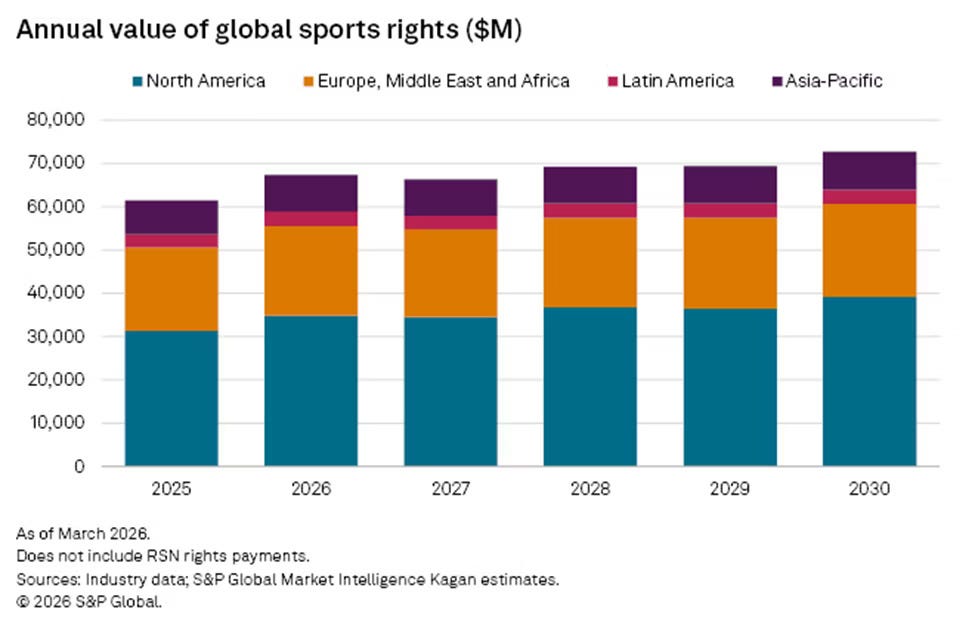
According to S&P Global Market Intelligence, global sports media rights spending is projected to hit $67.3 billion in 2026, up 9.6% year over year.
But media companies are increasingly recognizing that owning premium content is only part of the equation; you also want to own the platforms consumers use to access it.
The Roku transaction is interesting because it brings together:
Premium content: Fox’s sports portfolio includes the NFL, MLB, NASCAR, college football, and FIFA programming.
Massive distribution: Roku reaches more than 100 million streaming households worldwide.
Streaming properties: FOX One, Tubi, and The Roku Channel.
Advertising infrastructure: Connected-TV advertising technology, audience insights, and monetization capabilities.
Consumer relationships: Roku’s home screen, platform accounts, content-discovery tools, and first-party data.
All of this matters because distribution increasingly influences which content gets discovered, how audiences are reached, and how effectively advertising can be monetized.
Consider the shift in television consumption.
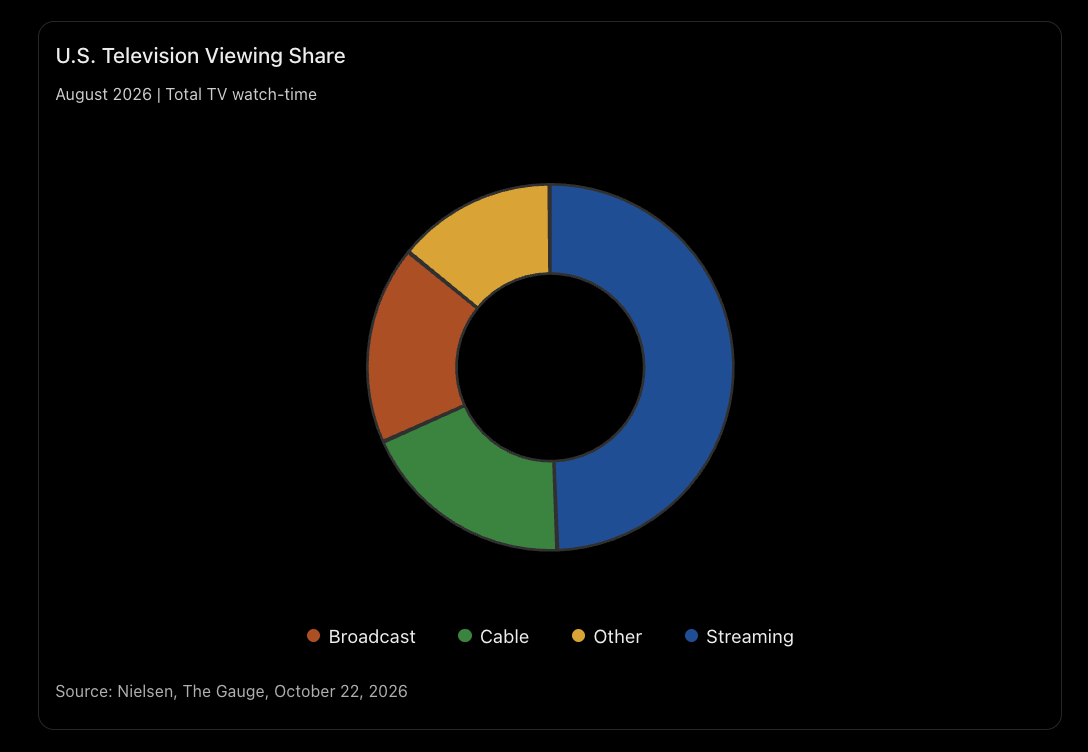
According to Nielsen, streaming accounted for 49.6% of total U.S. television viewing in August 2026.
The interface consumers use to navigate content IS BECOMING an increasingly valuable piece of infrastructure.
Fox expects approximately $400 million in annual run-rate cost synergies within two years of closing the Roku transaction.
Bilt’s Bet on Fan Loyalty
Just four days before the Fox deal closed, Bilt made an acquisition that illustrates the same shift from a completely different angle.
Bilt, best known for its housing rewards platform, acquired LAVA for $300 million.
LAVA provides technology that helps sports organizations recognize, understand, and engage with fans across ticketing, loyalty programs, payments, and customer experiences.
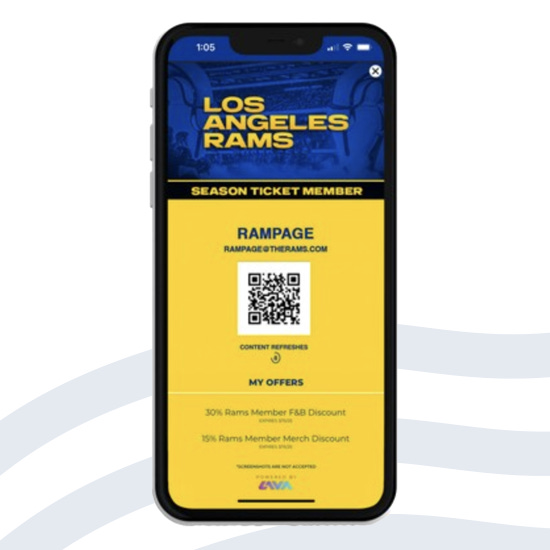
It was founded in 2016 by Sacramento Kings owner Vivek Ranadivé and former TIBCO executive Wen Miao. LAVA raised a reported $33.8 million, with backers including Adobe Ventures and Page One Ventures.
The acquisition ties together a lot of infrastructure into Bilt’s ecosystem:
56 professional sports franchise relationships across the NFL, NBA, MLB, NHL, and MLS.
300+ technology integrations connecting ticketing, point-of-sale systems, payments, customer identity, and loyalty.
7 million+ Bilt members across its existing residential and neighborhood commerce network.
50,000+ merchant partners spanning restaurants, hospitality, and other local businesses.
Combining these networks could enable some interesting synergies…
Imagine being a Pittsburgh Steelers fan (it’s not too bad 😉):
You attend a game, purchase merchandise, and buy concessions. The Steelers know you’re a loyal customer, but that relationship ends when you leave the arena.
Now imagine that same fan receiving personalized rewards at Pittsburgh restaurants, exclusive access to local experiences, or additional benefits through participating merchants.
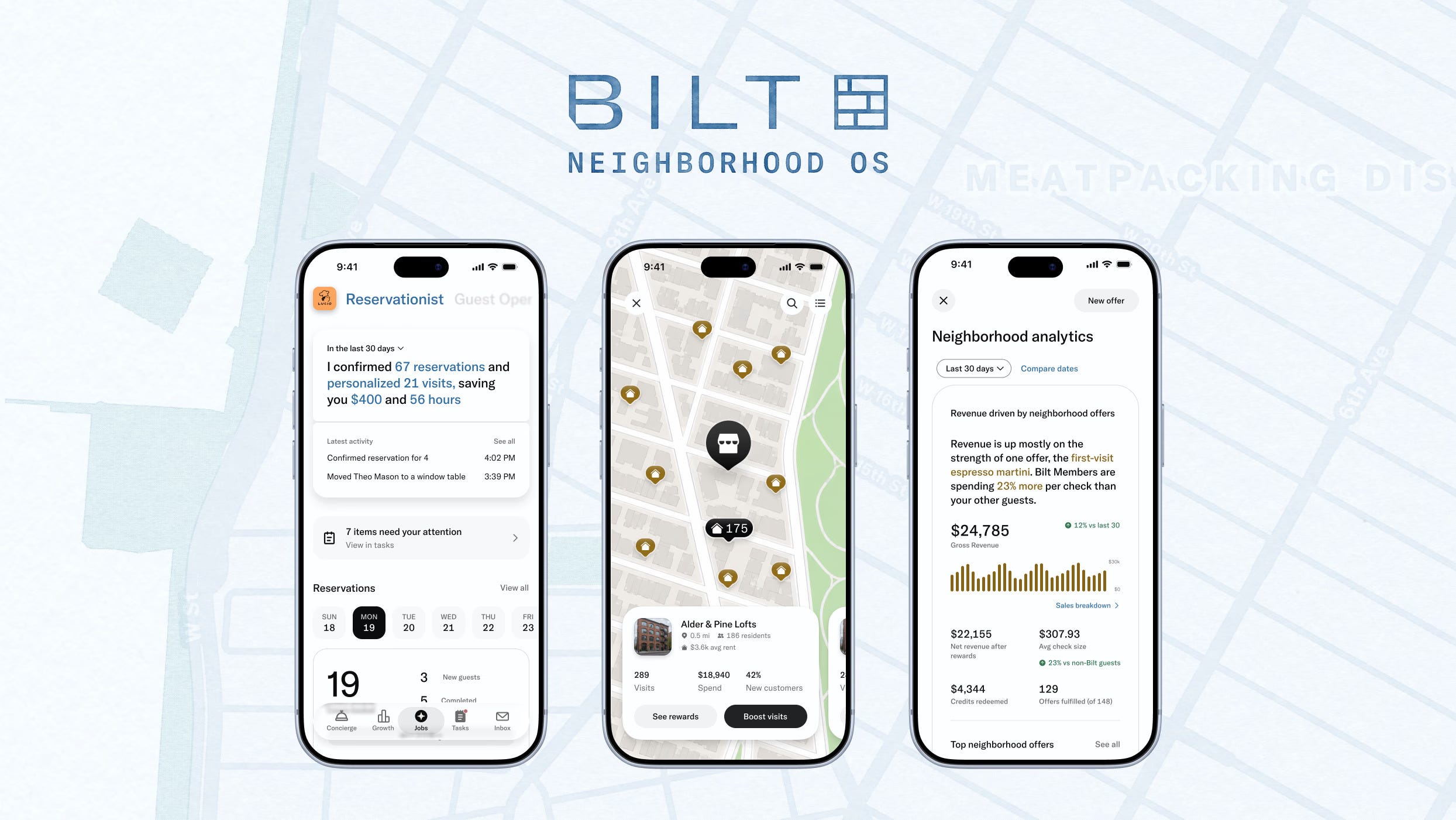
This is the broader opportunity Bilt is pursuing…
Monetizing sports fandom beyond the arena or TV screen.
The Sports Fan Journey Is Fragmented
What’s driving these strategies?
Today’s sports fan interacts with an enormous number of disconnected platforms.
Think about the typical experience:
A fan might discover highlights on Instagram or YouTube
Watch a game through a streaming subscription
Buy tickets through a third-party marketplace
Purchase merchandise through an online store
Order food or beverages through a stadium payment system
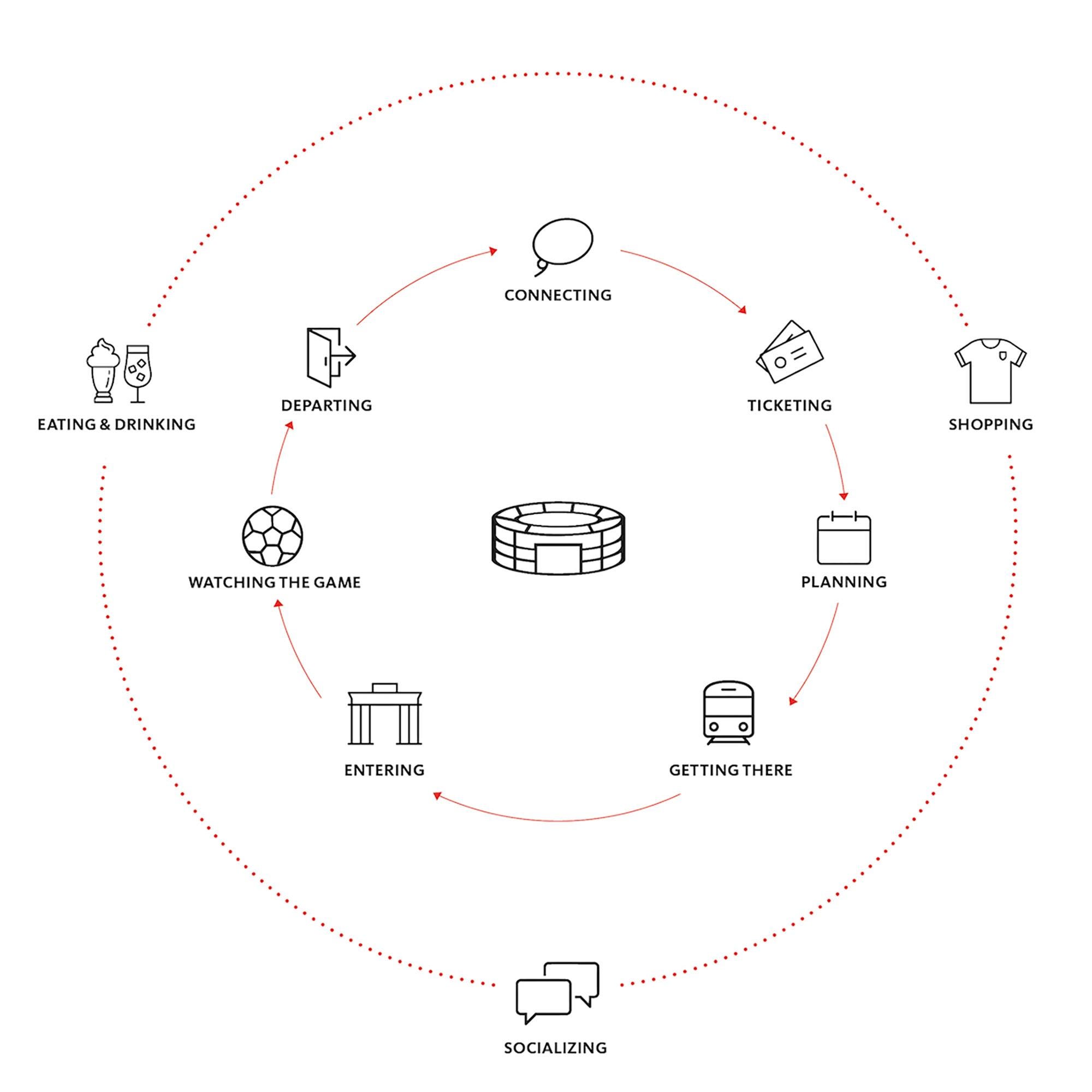
All of those experiences connect through the fan…
Yet the underlying businesses often operate with separate customer accounts, data, payments, and loyalty programs.
In its 2026 Sports Intelligence Report, IBM surveyed more than 20,000 sports fans across 12 countries.
The results were revealing:
39% are frustrated with managing multiple subscriptions to watch sports
47% would likely download and use a centralized sports app
72% already use sports apps
Among surveyed sports app users, 33% purchased tickets, 30% ordered food or beverages at a live event, and 29% purchased merchandise through a sports app in the past year
I think we’re all noticing how sports apps are evolving and becoming more transactional.
And as that transition accelerates, the ability to connect engagement with actual spending becomes increasingly valuable.
This trend is bigger than sports, too.
Deloitte’s 2026 Digital Media Trends found that 70% of Gen Z and millennial entertainment fans engage with their favorite franchises across multiple platforms, including streaming, social media, merchandise, and live events.
Looking Ahead
Historically, the sports economy has been monetized through media rights, sponsorships, ticketing, merchandise, and hospitality.
All of those categories will continue growing…
But the next evolution is connecting them into a more continuous commercial relationship.
A useful way to think about this is through five layers of the fan economy:
1. Discovery and distribution
Where fans first interact with sports content…
Whether through social media, streaming platforms, creators, or connected televisions.
2. Identity and data
Understanding who the fan is, which teams they follow, what experiences they prefer, and how they engage across different channels.
3. Commerce and payments
Converting that engagement into transactions, including tickets, merchandise, subscriptions, food and beverage, and premium experiences.
4. Loyalty and membership
Creating reasons for fans to return through rewards, access, personalized benefits, and ongoing engagement.
5. Community and experiences
Building relationships that extend beyond individual games through events, hospitality, social experiences, and local businesses.

The BIG opportunity is in connecting these layers (and there’s no universal starting point).
A media platform might begin with distribution and expand into commerce.
A sports franchise might begin with ticketing and build a direct membership relationship.
A rewards company might begin with payments and loyalty before entering sports and entertainment.
Each strategy is trying to capture more value from the same underlying consumer relationship.
And we’re already seeing other major players pursue similar approaches.
The NBA has developed NBA ID as a free membership and personalization layer that connects fans with content, rewards, event access, and merchandise offers.
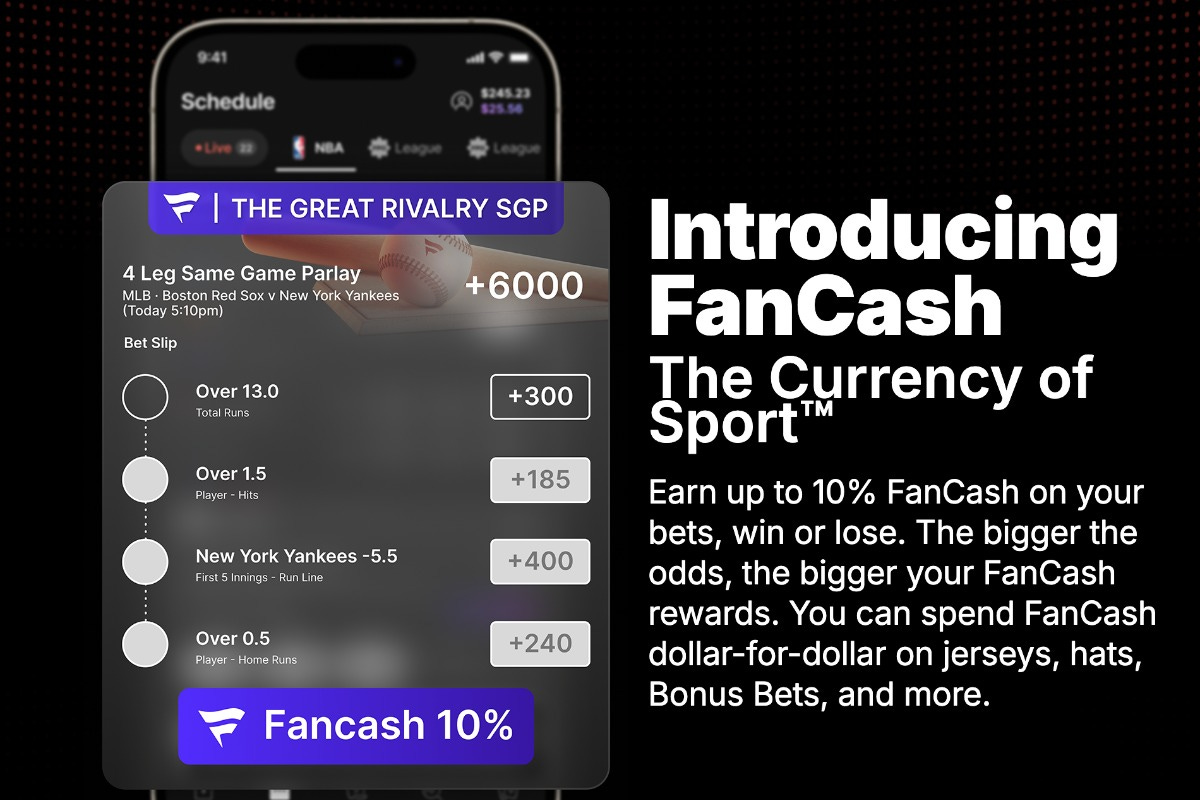
Fanatics has built an ecosystem spanning merchandise, collectibles, ticketing, and additional fan experiences. Its Fanatics ONE program connects multiple businesses through a shared loyalty currency, FanCash.
Sports organizations (and technology companies) are competing to build more direct and valuable relationships with the people who ultimately power the entire industry.
The fan.
Definitely an area to keep an eye on!
Other Profluence Activities
📅 Upcoming Member Events
11/23: Community Networking - meet others building in the industry
11/30: Office Hours - get your questions answered
🔗 Members can RSVP for events here
🎙 Podcasts
Jack Liechtung - CEO, Canopy
Ryan Sickman - Director of Sports, Gensler
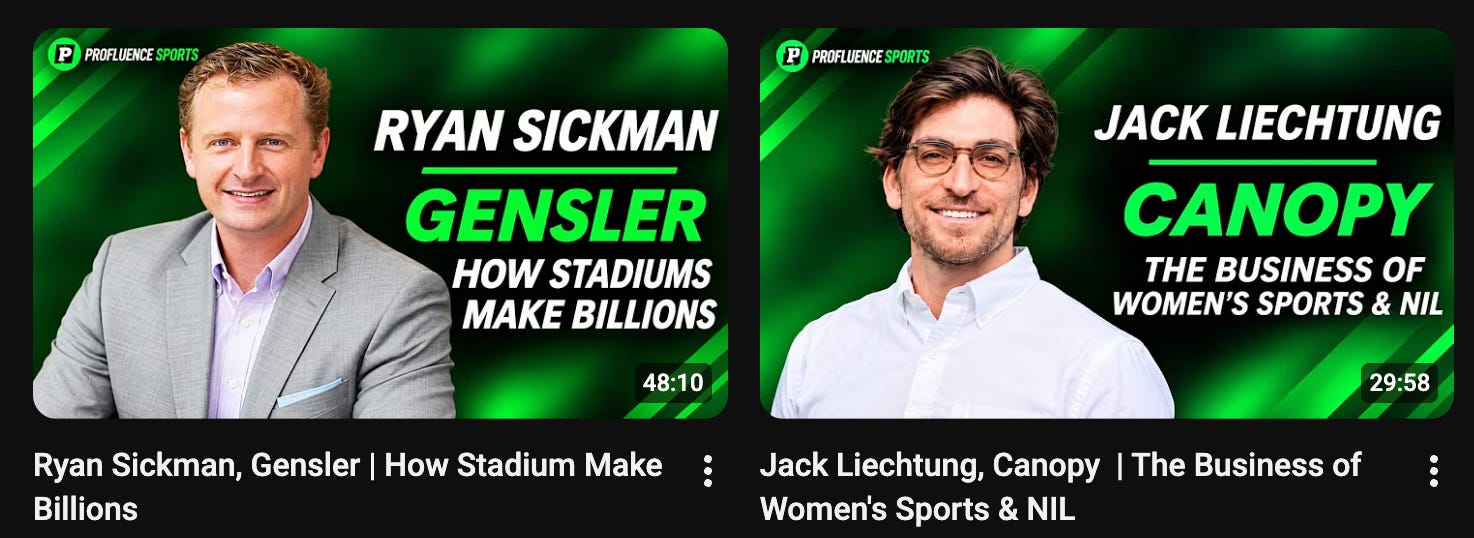
Interesting conversations here - one around stadium economics and the other around NIL.