


Back in 2023, I published a briefing outlining why I believed the rise of women’s sports was inevitable.
The Inevitable Rise of Women’s Sports

“If I were to give you a million dollars to invest in women’s sports, where would you invest it?”
Fast forward to today…and that analysis is truer than ever.
Let’s revisit the numbers, see how far things have come, and explore where the next opportunities might emerge. 👇
The Structural Shift in Women’s Sports
A lot has changed over the past three years.
One of the biggest cultural moments came during the 2024 Paris Olympics, which became the first Olympic Games to achieve gender parity in athlete quota places.
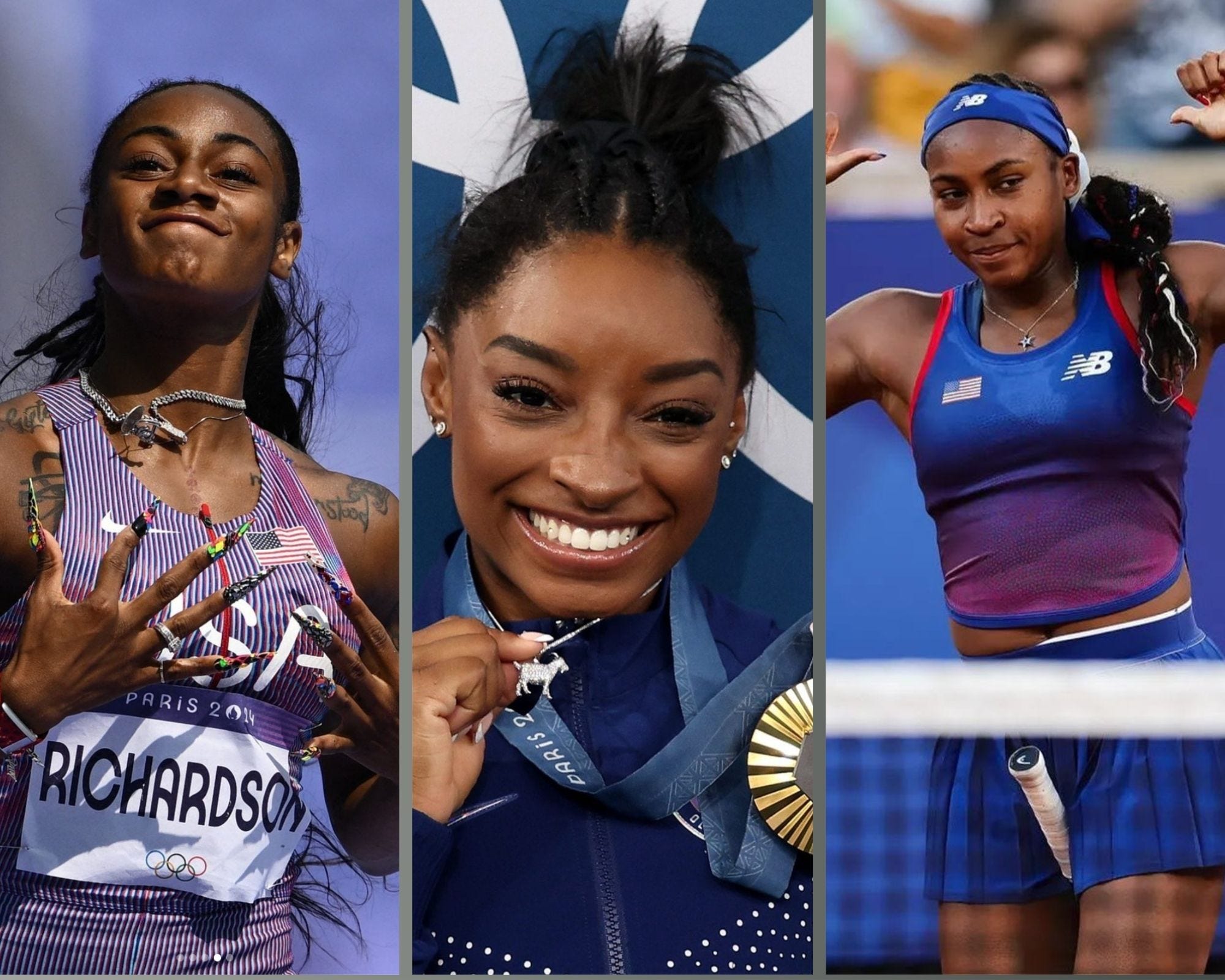
Stars like Simone Biles, Katie Ledecky, and Sydney McLaughlin-Levrone took center stage, while Team USA captured gold in women’s soccer and basketball, alongside a historic bronze in rugby sevens.
But the bigger story is what is happening off the field…
Women’s sports have evolved from an overlooked opportunity into a rapidly growing commercial industry.
Just look at the revenue growth:
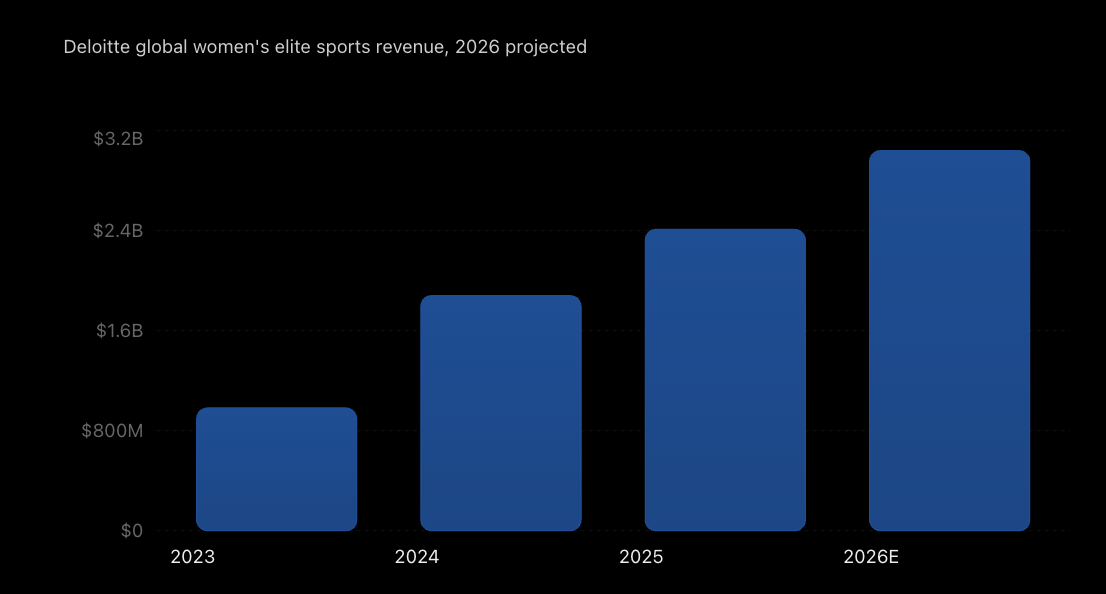
That’s more than 3x growth in just three years.
In fact, Deloitte projects that women’s elite sports in 2026 will generate approximately:
$1.4 billion in commercial revenue
$911 million in matchday revenue
$765 million in broadcast revenue
It’s good to see the business model evolving beyond just sponsorships and commercial partnerships…with ticket sales and broadcasting becoming a larger part of the revenue mix.
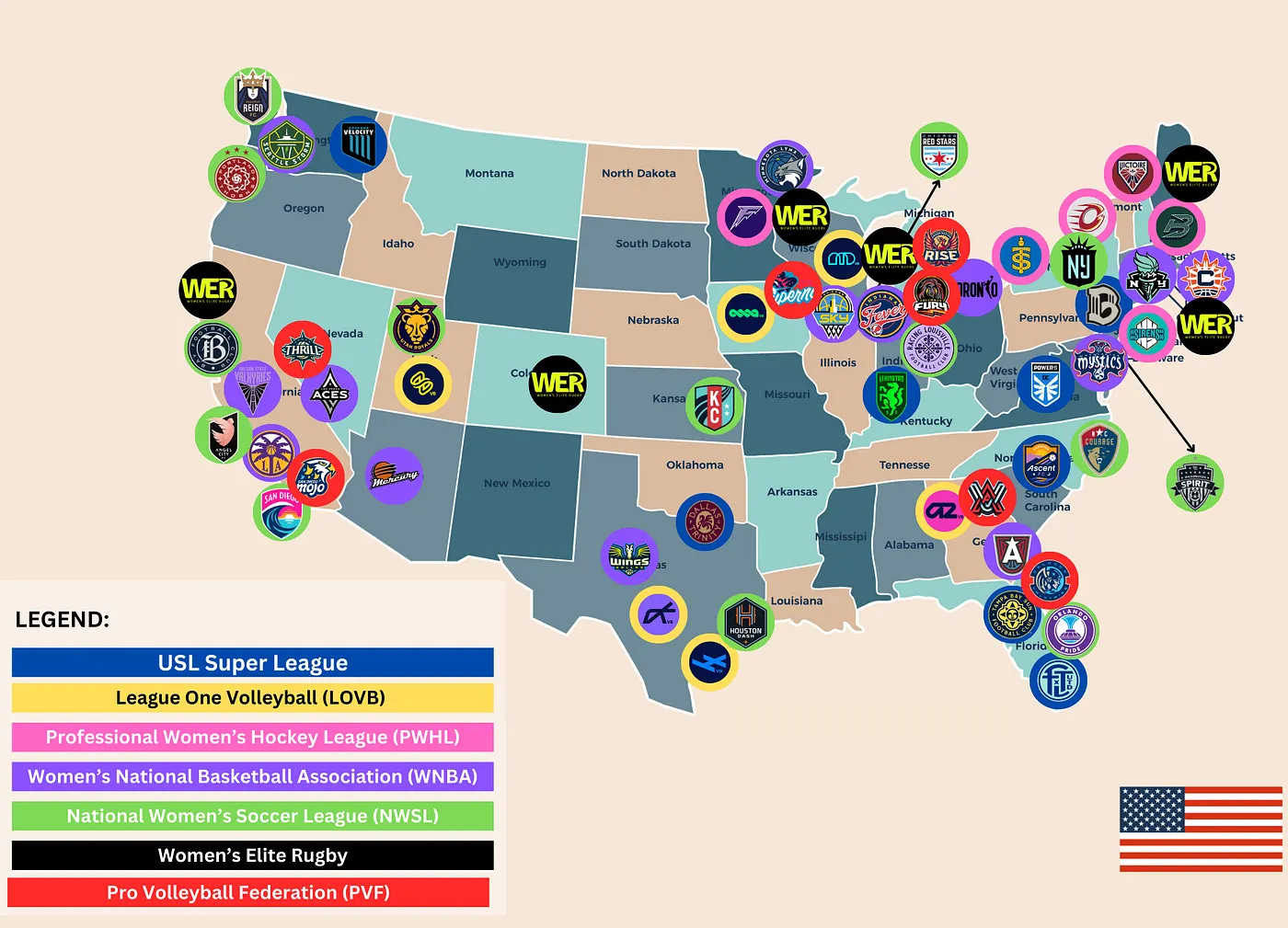
It suggests women’s sports are moving beyond simply attracting corporate investment and toward building more diversified, sustainable businesses.
Franchise Valuations Are Exploding
Perhaps nowhere has the growth of women’s sports been more apparent than in franchise valuations.
In my original 2023 briefing, I highlighted how Angel City FC had gone from a $2 million NWSL expansion fee to a $180 million valuation.
At the time, that seemed extraordinary.
Today, it almost looks like a bargain.
According to Forbes, Angel City FC is now valued at $340 million, making it the most valuable franchise in the NWSL.
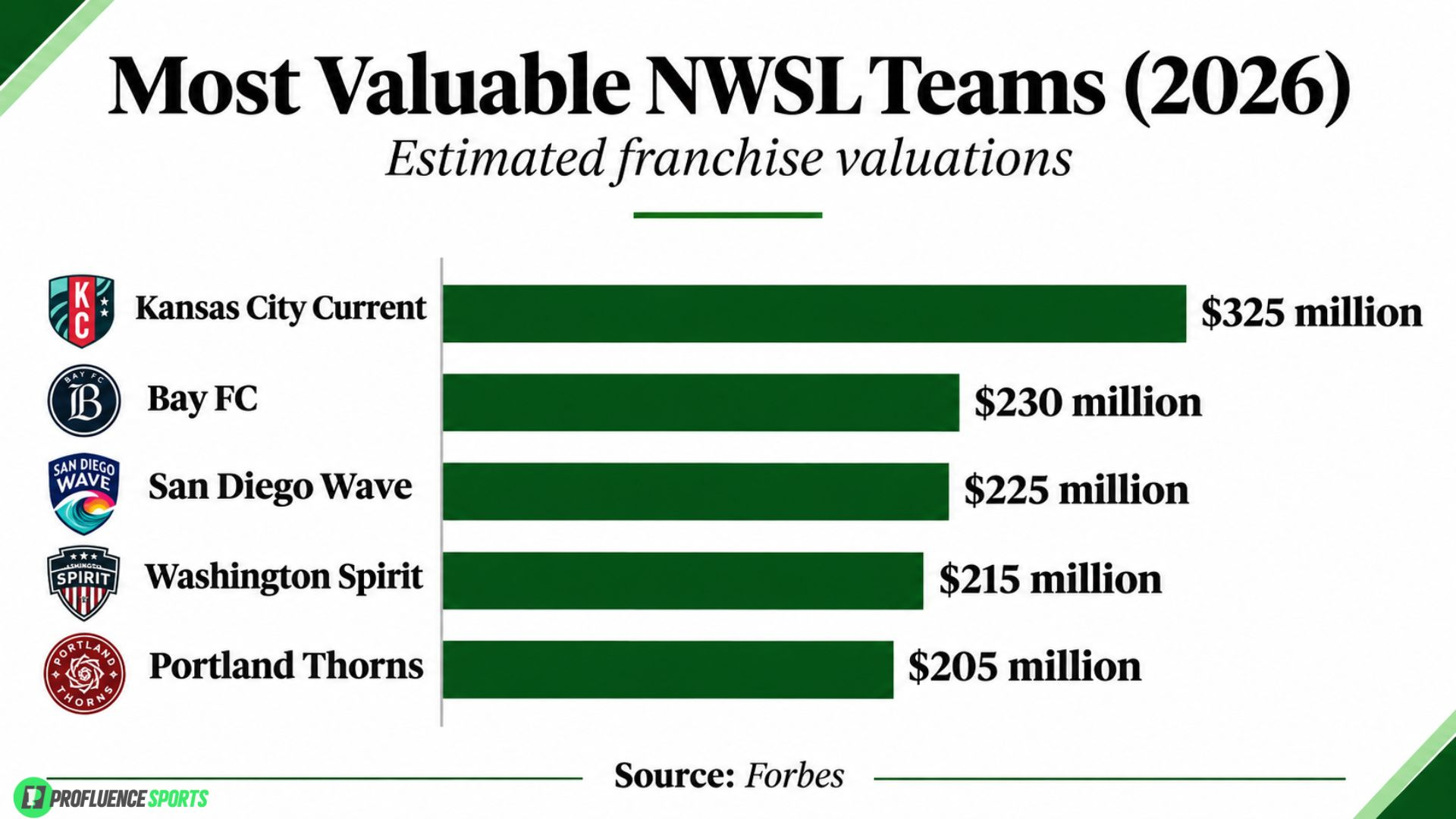
But the expansion fees tell an even more remarkable story.
In 2021, NWSL expansion rights were being awarded for approximately $2 million.
Fast forward to 2026:
Columbus: $205 million
Atlanta: $165 million
Denver: $110 million
That’s more than a 100x increase in expansion fees in roughly five years.
And the WNBA is experiencing a similar trajectory.
New expansion franchises in Cleveland, Detroit, and Philadelphia each commanded $250 million fees, compared with the $50 million paid for the Golden State Valkyries.
Institutional Capital Has Arrived
Three years ago, much of the conversation centered around celebrity investors, former athletes, and mission-driven capital.
Today…private equity firms have become increasingly active in garnering team stakes.
A few examples:
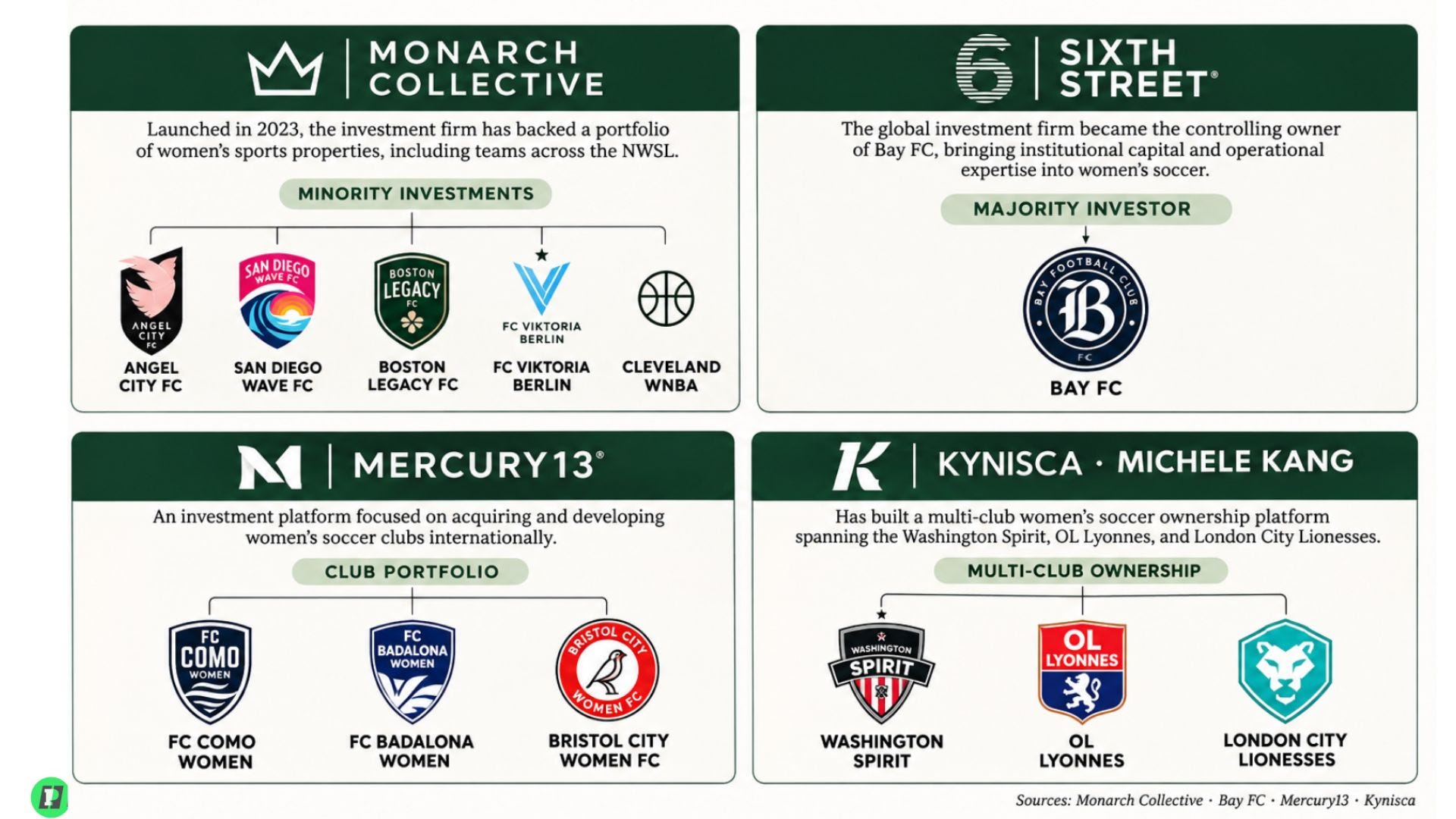
We’re also seeing established men’s sports ownership groups move into the space.
The owners of the Cleveland Browns secured Columbus’s NWSL expansion franchise, while Arthur Blank’s AMB Sports + Entertainment is behind Atlanta’s upcoming team.
So what’s happening?
Assets that were once considered niche investments are increasingly being valued as scarce, long-term sports properties with substantial commercial upside.
The Infrastructure is Catching Up
In the past, women’s professional sports were often forced to operate within infrastructure originally built for men’s teams.
That’s starting to change.
In 2024, the Kansas City Current opened CPKC Stadium, the first stadium purpose-built for a professional women’s soccer team.
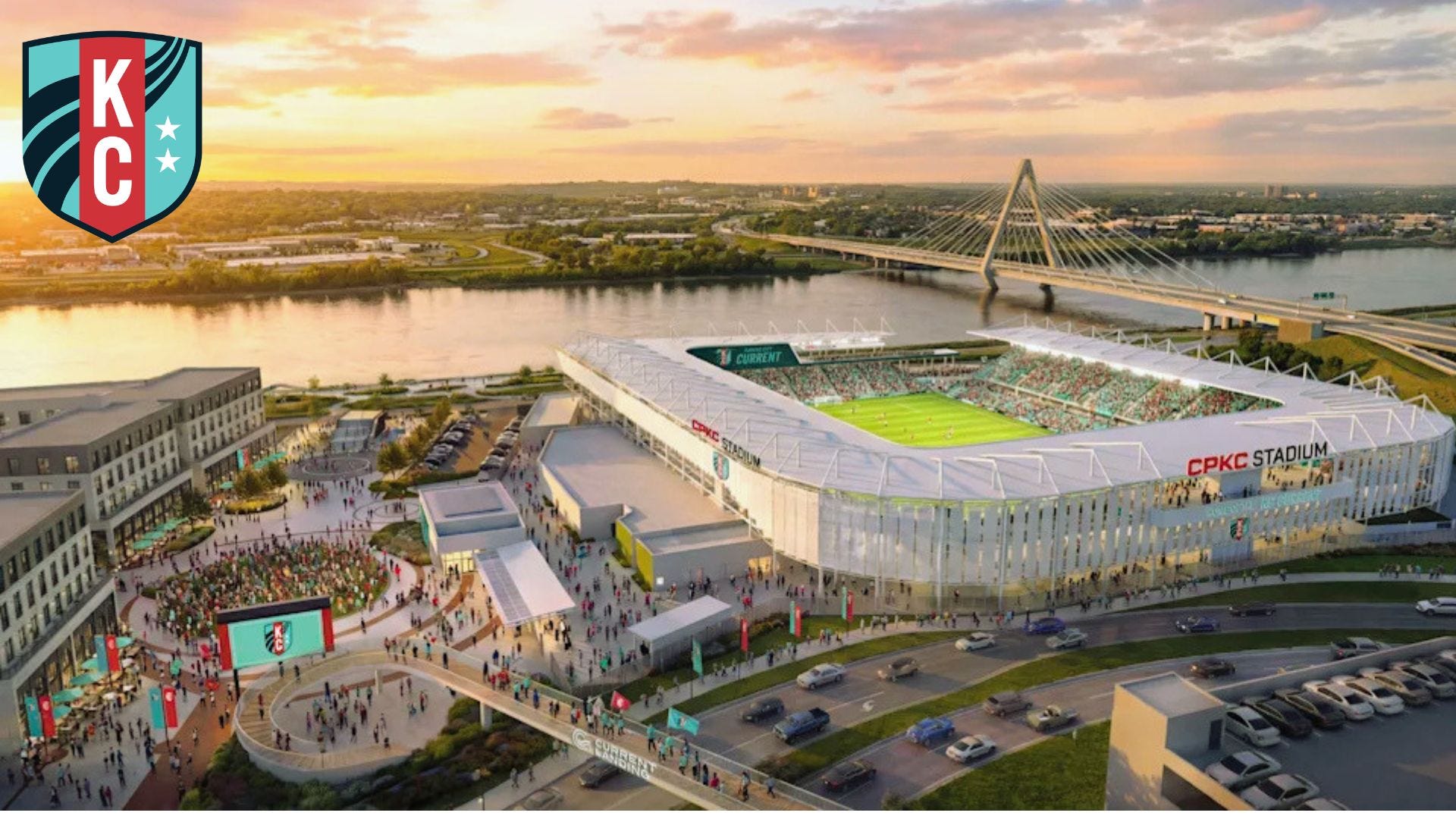
And other organizations are following suit.
Denver Summit FC has broken ground on a purpose-built stadium and surrounding entertainment district, with approximately 13,000 seats and standing-room capacity, while WNBA teams across the country are investing in dedicated training facilities.
Consider a few other recent milestones:
WNBA: A record 212 regular-season sellouts in 2026, representing 64% of all games.
Golden State Valkyries: Sold out every home game in each of their first two seasons, averaging more than 18,000 fans in 2026.
Denver Summit FC: Drew 63,004 fans for its inaugural NWSL home match, setting a new league attendance record.
PWHL: Drew more than 1.1 million regular-season fans in 2025–26, with average attendance increasing 71% compared with its inaugural season.
Unrivaled, a women’s three-on-three basketball league that runs during the WNBA off-season, was recently valued at $650 million.
The business opportunity is becoming broader…
Women’s sports are increasingly creating demand for the same infrastructure that has supported men’s professional sports (stadiums, hospitality, facilities, retail, surrounding real estate, etc.).
Where Does the Opportunity Go From Here?
This brings us back to the question we asked in 2023:
If you had $1 million to invest in women’s sports, where would you put it?
My answer today would look different.
Three years ago, the most obvious opportunity was buying into undervalued teams and leagues before institutional capital arrived. That opportunity hasn’t disappeared, but the entry prices have changed dramatically.
Today, I’d be looking more closely at several areas:
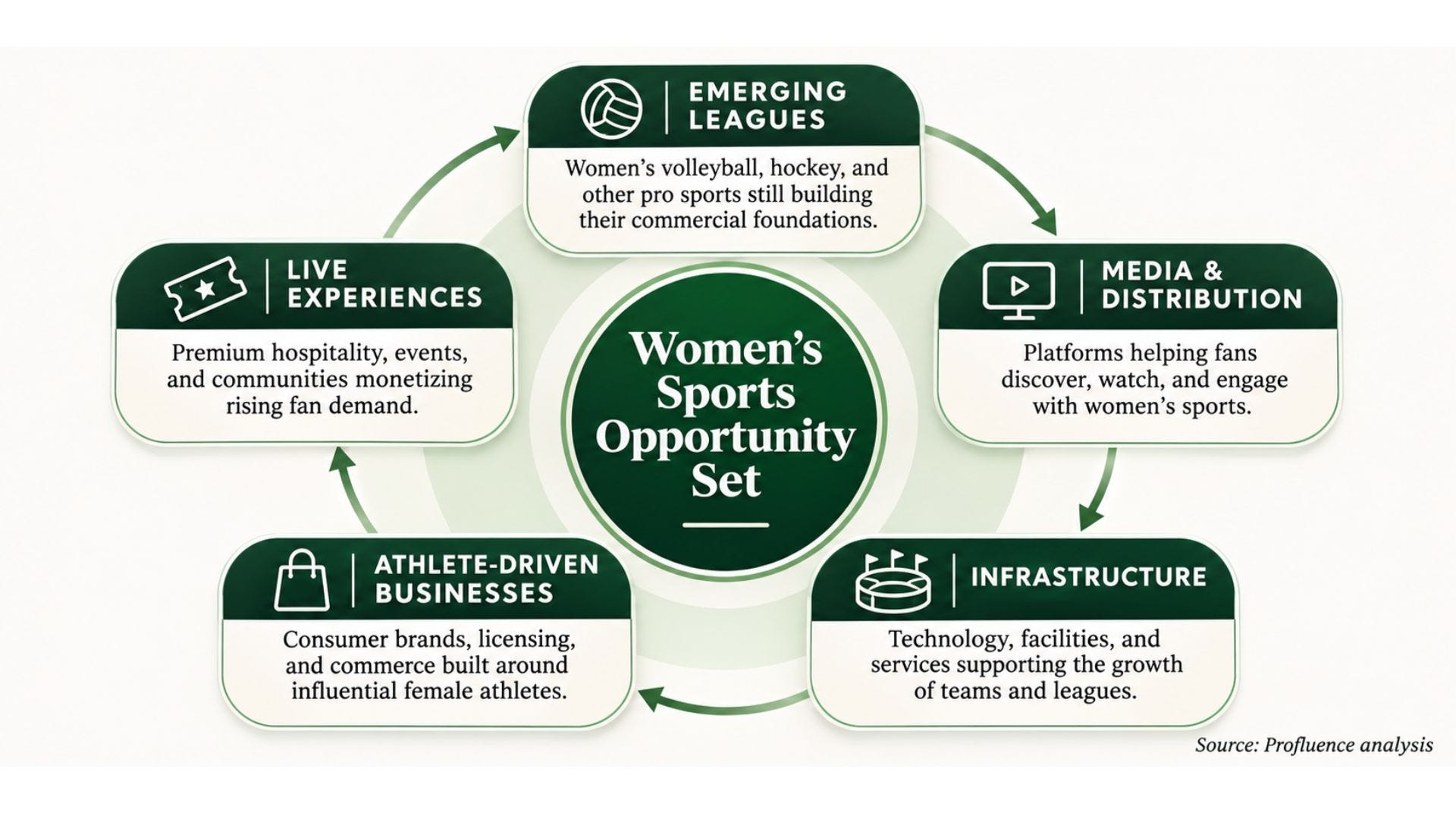
I’m also pretty bullish on co-ed properties/leagues/event.
In fact…
At Profluence Capital, we just invested in something with an array of not only top male and female athletes, but also entertainers (more on this soon).
The one thing investors have to think about is…
Just because women’s sports are growing doesn’t mean every investment will generate attractive returns.
Some franchise valuations are already pricing in years of future revenue growth.
As more capital enters the market, the challenge shifts from identifying an overlooked opportunity to finding assets where the growth potential still justifies the price.
The next chapter of women’s sports will be about translating that momentum into sustainable business models, profitability, and ultimately returns for investors.

For those of us deeply involved in the sports, media, and entertainment industry, many of these trends have been building for years.
What’s exciting is watching the broader market begin to recognize opportunities that were largely overlooked not long ago.
That’s one of my favorite parts about writing these briefings...being able to look back at earlier predictions, see how they’ve played out, and continue identifying where things might be headed next.
As always, thanks for reading along!
Onwards & upwards,
Andrew Petcash
Profluence Community Updates
📅 Upcoming Member Events
11/13: Workshop: Creating Investor Updates - templates to be provided
11/18: Community Networking - meet others building in the industry
11/30: Office Hours - get your questions answered
🔗 Members can RSVP for events here
💬 New Profluence Members
Kathryn - Consultant
Shreyas Rao - Sport Management
George Harrington - Creed Venture Partners
🔗 Connect directly with new members here.
🎙 Podcasts
Gary Green - Pro sports team owner
Jonathan Lupinelli - Co-Founder, UNLMTD

Interesting conversations here - Gary owns multiple pro sports teams, and Jonathan has built a unique concept in soccer.
Spot-on analysis, Andrew. The diversification into matchday and broadcast revenue proves women's sports have officially moved from a social cause to an institutional asset class.
One crucial layer to add: this momentum is truly global, not just North American. While the US has validated the financial model and valuation proof of concept, the most asymmetric opportunity today lies in geographic arbitrage—deploying US-proven professionalization, athlete data, and monetization infrastructure across international markets (Europe, MENA, Latin America ahead of Brazil 2027, and Africa) where assets remain massively undervalued.
This exact thesis is what drives our daily work across HerSportech (building the tech, data, and fan engagement infrastructure) and HerSport Fund (structuring strategic capital allocation in women's sports). Excited to see this space continue to scale!