


I came across this graphic recently and thought it was pretty interesting.
Look at how many major golf companies have come out of California.
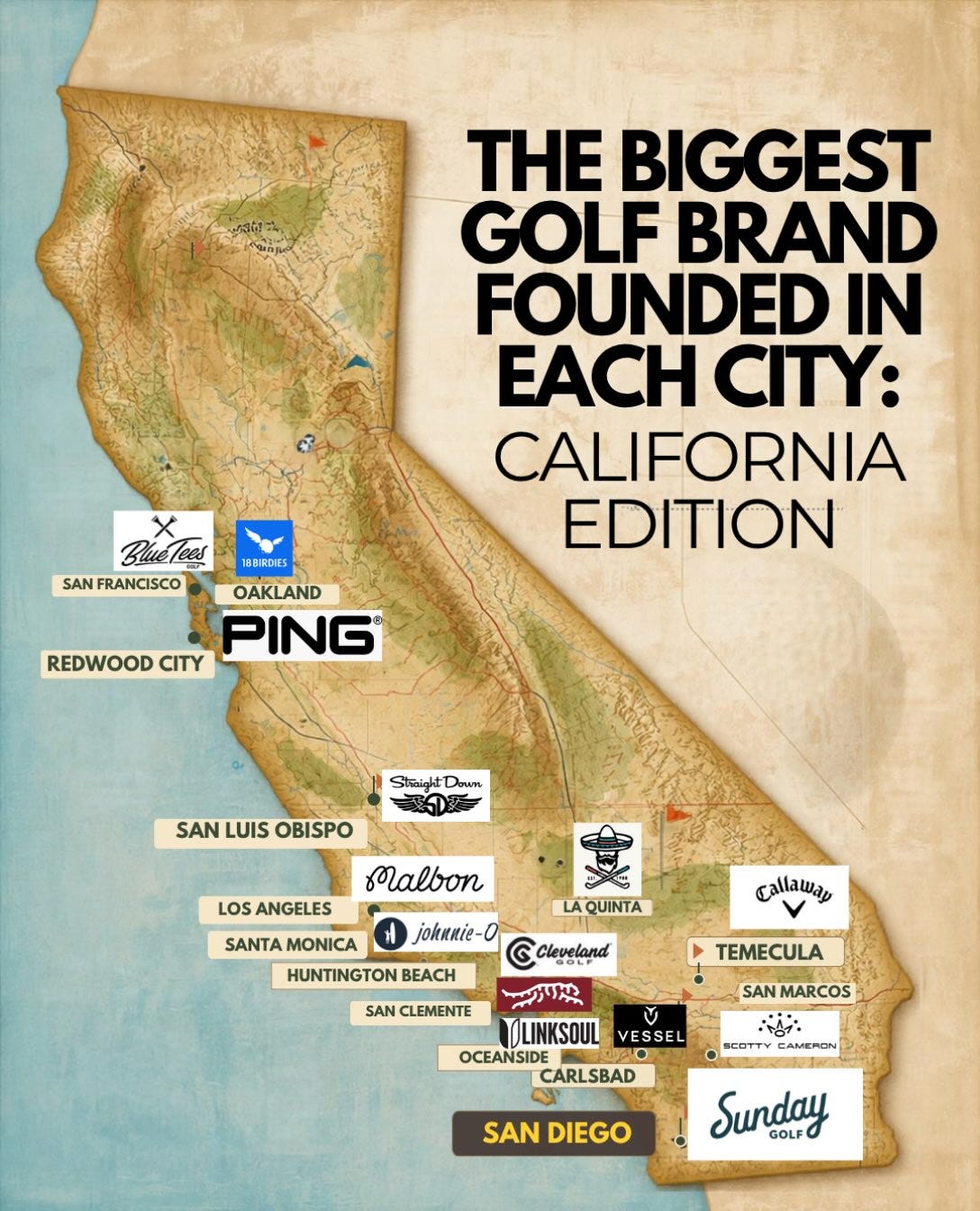
It makes sense…
California has great weather, lots of golf courses, wealthy consumers, and a massive population.
But then I started thinking about other sports, and realized how much innovation in the industry seems to cluster geographically...
Let’s Dive In 👇
Silicon Valley of Sports
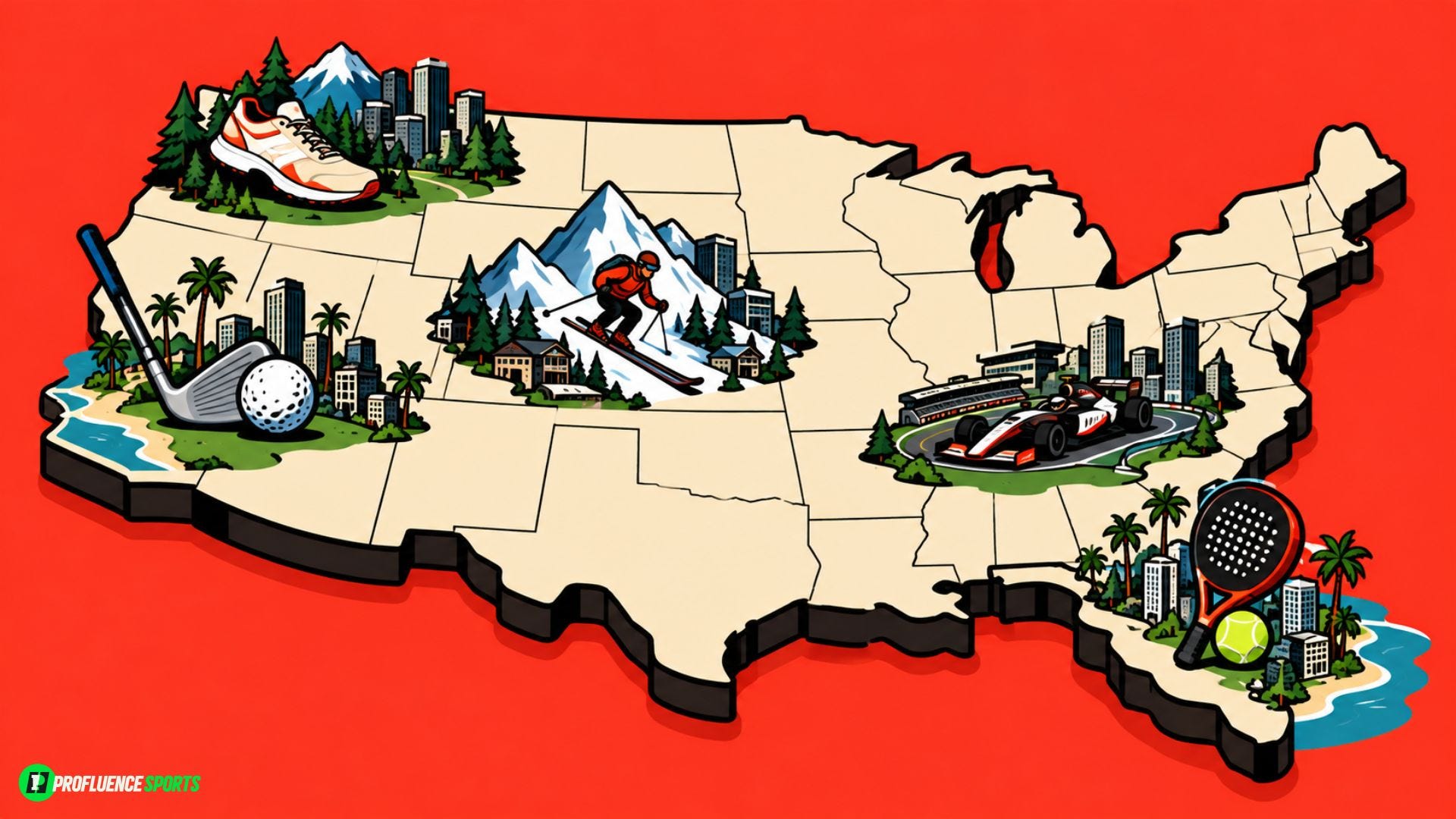
Sports have their own versions of Silicon Valley.
Once a location develops an advantage in a particular sport, it can become self-reinforcing:
You need athletes to test products, places to play, manufacturers, coaches, teams, facilities, events, and communities of people obsessed with the activity.
And unlike pure software, sports have a major physical-world component.
That makes geography surprisingly important (and something to think about when building a company or investing in the industry).
Major Sports Innovation Clusters
Once you start looking, these clusters are everywhere.
Let’s run through some examples.
🏃 Portland is big for running/outdoor sports.
Nike is the obvious giant, but the ecosystem that has developed around it is quite impressive.
Columbia Sportswear, Keen, and the Adidas North American headquarters are all in the Portland area.
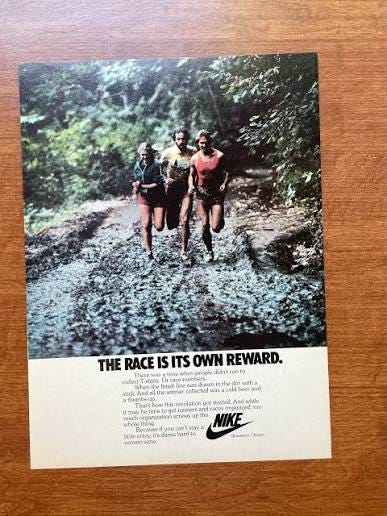
When you have decades of footwear designers, marketers, product developers, and sports executives cycling through the region…you expect to see others emerge.
*this is an ecosystem built mainly around one company
🏎️ Charlotte is a motorsports hub.
This might be the most obvious example.
Hendrick Motorsports, Joe Gibbs Racing, RFK Racing, Trackhouse Racing, 23XI Racing, and many others are based around Charlotte.
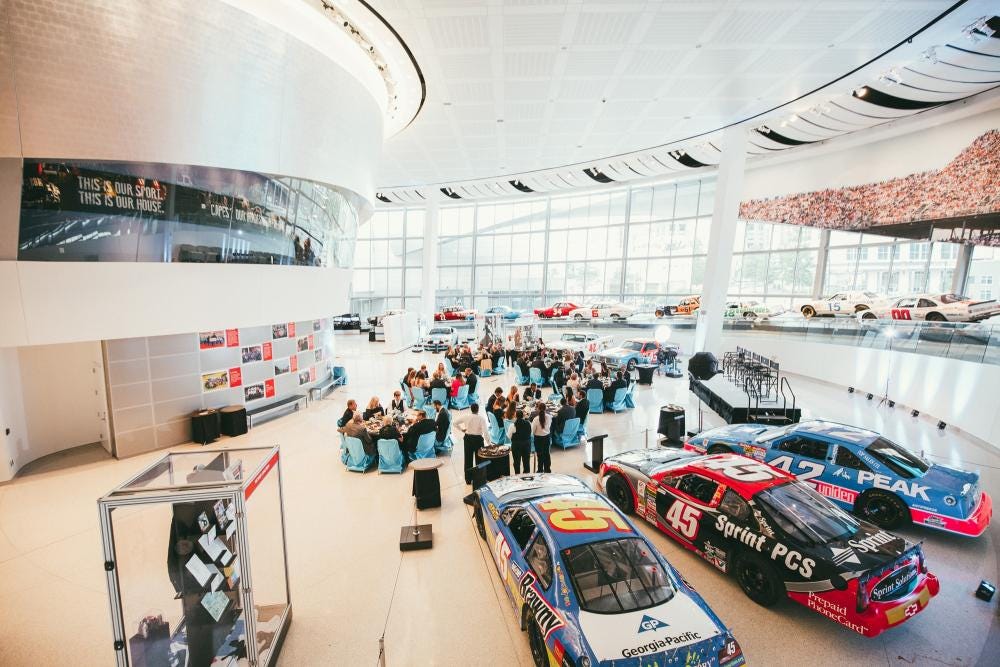
Then add NASCAR’s teams, engineers, mechanics, manufacturers, suppliers, simulators, and specialized technology companies.
*this is an ecosystem built mainly around one league
🏄 Southern California dominates surfing and skating.
This one happened differently, as the culture came first.
people surfed and skated
communities formed
people started building products for those communities
some became global brands

Vans, Stüssy, Volcom, Hurley, RVCA, Oakley, and countless others have roots in Southern California.
*this is an ecosystem built mainly around an activity
🏔️ Utah + Colorado dominate outdoor sports.
Black Diamond and Cotopaxi in Utah. Outside, BOA, TrainingPeaks, and Skratch Labs in Colorado. Plus a much larger ecosystem of ski, cycling, climbing, running, and outdoor companies.
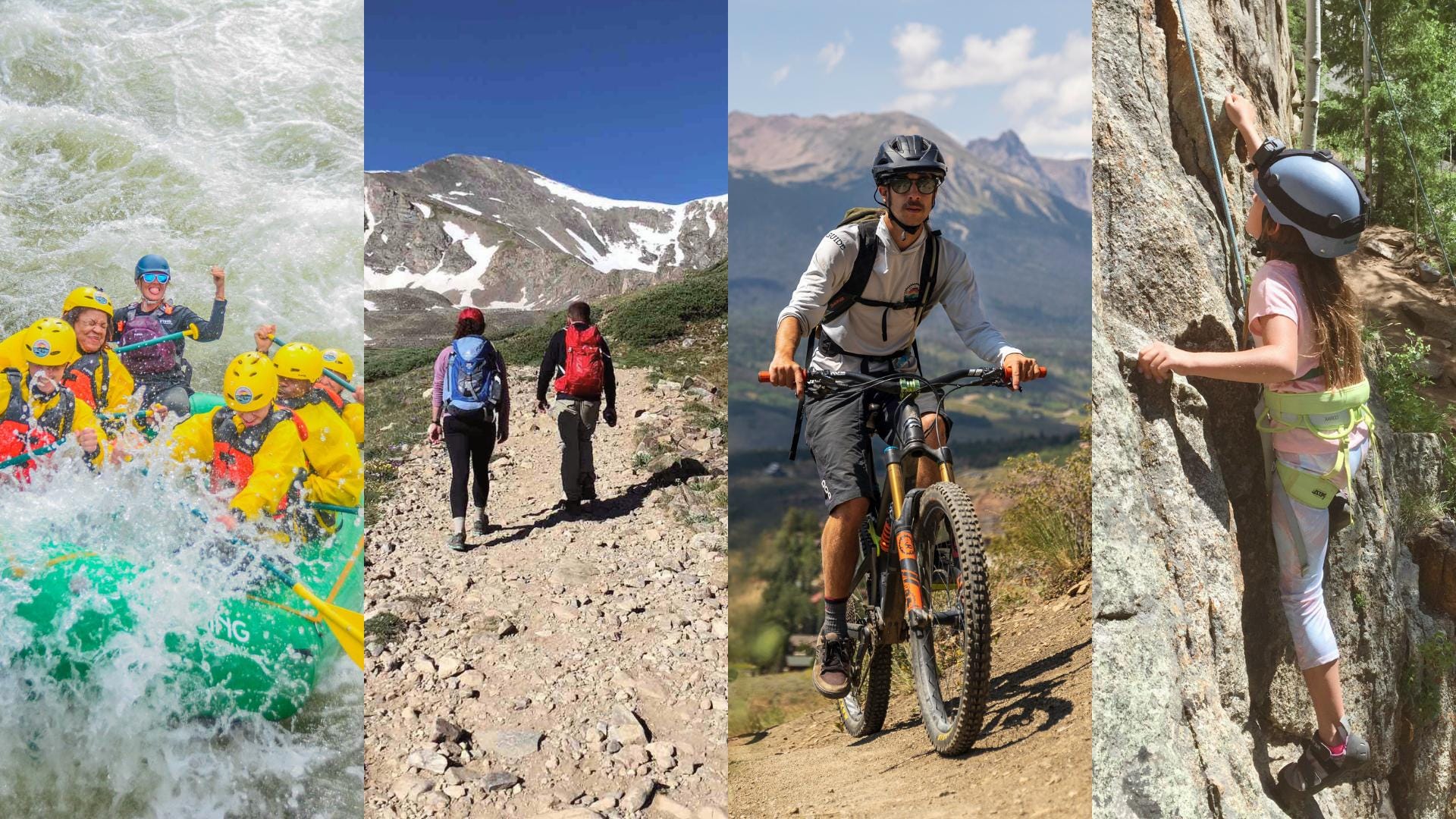
This one makes intuitive sense:
mountains create participants
participants create communities
communities create problems worth solving
entrepreneurs build products
*this is an ecosystem built mainly around the topography
🚴 Northern Italy has a hold on cycling.
When doing a triathlon, I noticed this one big time…basically all of my cycling gear came from Italy.
Pinarello, Campagnolo, Castelli, Selle Italia, Wilier, and other iconic cycling brands all emerged from Northern Italy.
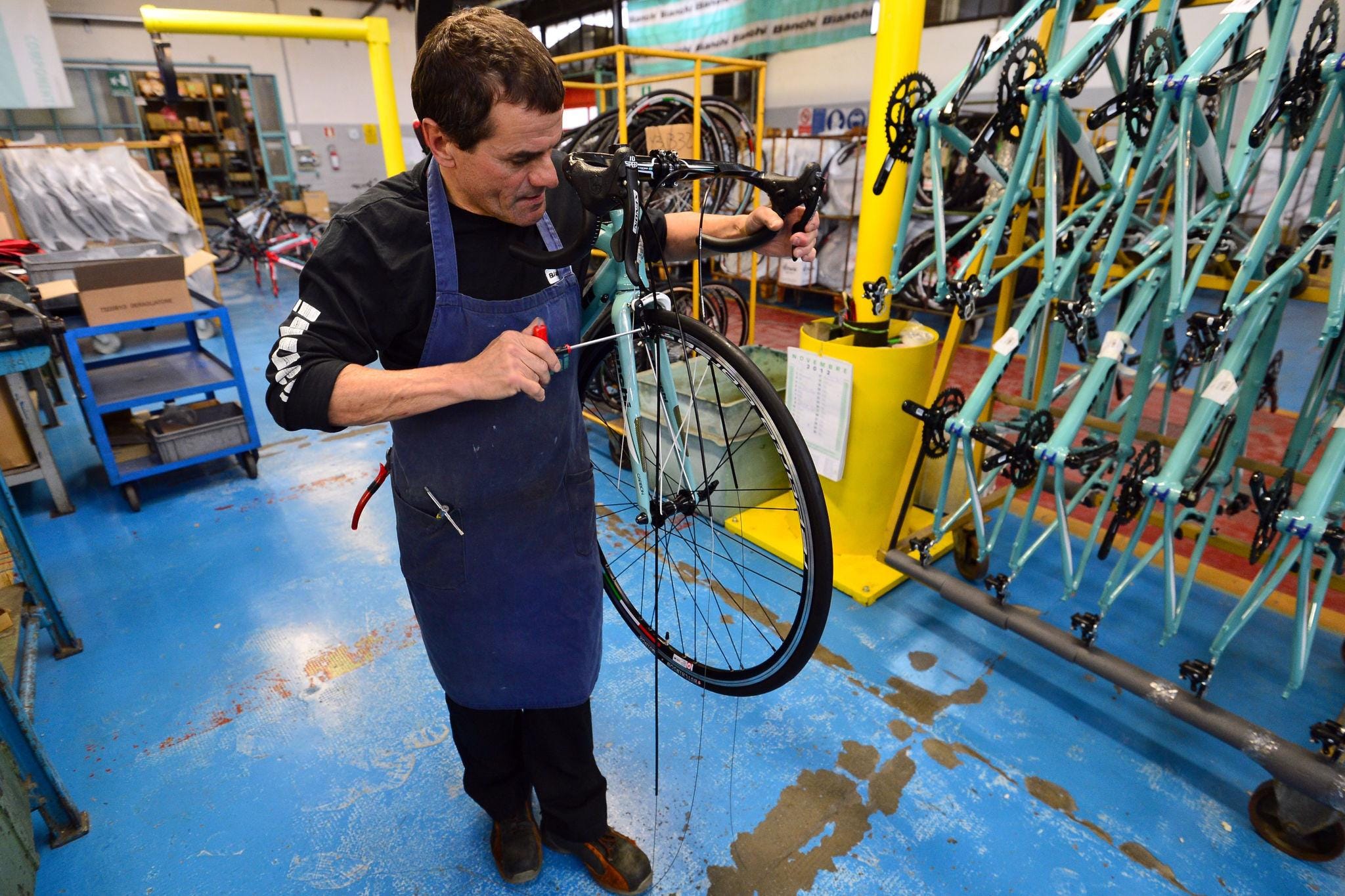
Over generations, the region developed deep expertise across bikes, components, apparel, and manufacturing until the knowledge effectively became embedded in the region.
*this is an ecosystem built around topography + activity
👟 Herzogenaurach, Germany holds two major companies.
This might be the craziest one.
Adidas and Puma are both headquartered in the same small German town.
What’s the reason?
They were founded by brothers Adi and Rudolf Dassler, who originally built shoes together before a falling out led them to create rival companies.

Today, two of the world’s largest sports brands call a town of roughly 25,000 people home.
*this is a unique ecosystem that doesn’t fit a category like the other ones
Why Does Sports Innovation Cluster?
When you look across these examples, I think you’ll start to notice some patterns.
Here are the four ingredients that I believe create sports innovation hubs:
1. Participation/Culture
People need to actually participate in the activity as they experience the problems that outsiders don’t even know exist.
Surfers build surf products.
Golfers build golf products.
Cyclists build cycling products.
People want to live around others who care about the same things they do, creating a passionate community of ideas, employees, customers, and founders.
And once the flywheel gets going, it’s difficult for another area to replicate.
2. Anchor Companies
A successful company in a unique geographical location becomes a talent factory.
It creates thousands of people who know how to build, market, manufacture, and sell products.
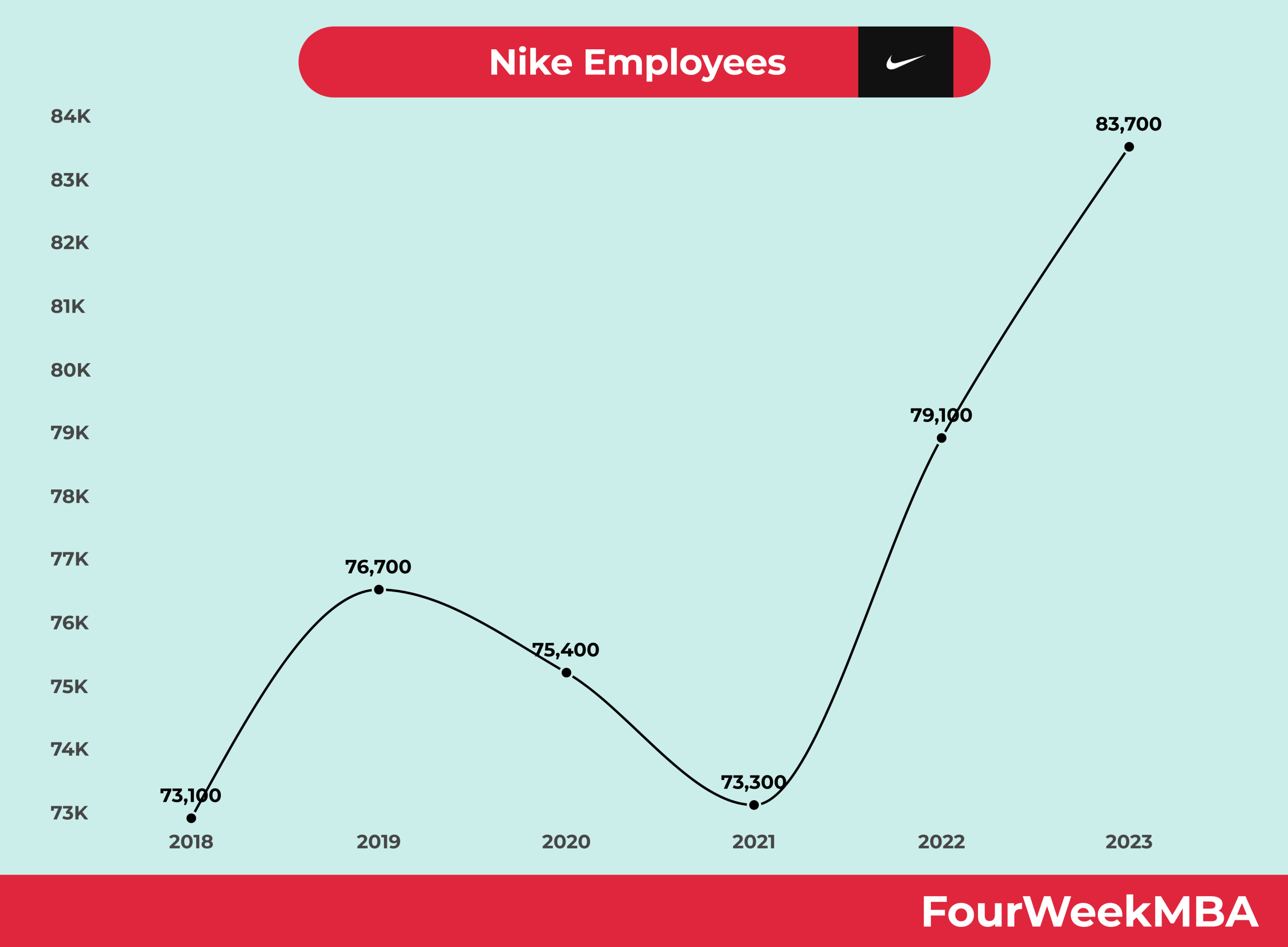
Employees learn specialized skills, build relationships, and understand an industry from the inside.
Eventually some of those people leave and go build something else (which is usually just an iteration of where they came from).
3. Specialized Talent
Once enough specialized people live somewhere, companies have another reason to locate there.
a golf company needs club engineers
a footwear company needs footwear designers
Talent attracts companies, just as companies attract talent.
If you’re starting a golf company, hiring in California is probably easier than hiring somewhere with no golf industry.
4. Infrastructure
The internet made geography less important for a lot of businesses, but not for a lot of sports innovation.
You still need:
waves to surf
tracks to race
mountains to ski
athletes to test products

Natural geographies make sense for why certain segments of an industry are located in a particular area…
But for some (like racetracks), it was man-made infrastructure that created the next wave of innovation.
Where are the next sports innovation hubs?
There are probably sports clusters forming today that will look obvious 20 years from now.
A few that come to mind that are worth watching:
Miami (Padel) - a huge connection to Latin America, and one of the strongest padel markets in the country. Miami-Dade already has roughly 214 padel courts with another 45 planned across six projects. It wouldn’t surprise me if Miami becomes the U.S. hub for a global sport that historically hasn’t been as American.
Las Vegas (Live Experiences) - Vegas has gone from barely having major professional sports to becoming one of the most interesting sports markets in the country. The big opportunity is the technology that can be built around these properties.
Austin (Fitness/Wellness) - a large healthtech/startup ecosystem mixed with the city’s wellness culture, young population, tech talent, wellness culture, and capital. It’s also the run-club capital, so I think we’ll see some interesting concepts emerge here.
Salt Lake City (Outdoor) - Utah already has the outdoor foundation and now you have the Jazz, Utah Mammoth, a growing tech ecosystem, major investment in a downtown sports district, and the 2034 Winter Olympics coming. It has a lot of the same ingredients we talked about earlier.
I’m sure I'm missing a bunch of places (especially internationally)…but I think there’s an interesting takeaway here:
Don’t just look at WHAT is growing (women’s sports, AI, etc), but pay more attention to WHERE things are growing.
Geography still matters!!!
Profluence Community Updates
Want to learn about family offices and understand how to raise money from them?

We’re hosting a workshop for Profluence members on October 23rd.
📅 Upcoming Member Events
10/27: Office Hours w/ Scott & Andrew - get help with your business from Profluence
11/6: Founder’s Fundraising - ask questions about your raise & learn from others
🔗 Members can RSVP for events here
💬 New Profluence Members
Danny Levy - Propel Pro
Michael Wieler - 50xlabs
Steven Weismann - F2MX
Adam Waitt - The Play Action
🎙 Podcasts
Sophia Whitesell - Founder, The Giving Game
Justin Jarman - Co-founder, Cool Factor Cryo

Great conversations about the power of athletes and recovery products for youth sports.