


Today, sports are increasingly being priced, analyzed, and capitalized like any other institutional asset class.
Public markets are assigning valuations to franchises.
Private equity is building portfolios of sports infrastructure.
Pension funds and sovereign wealth are finally allocating to sports.
Venture capital is funding the next generation of sports & media companies.
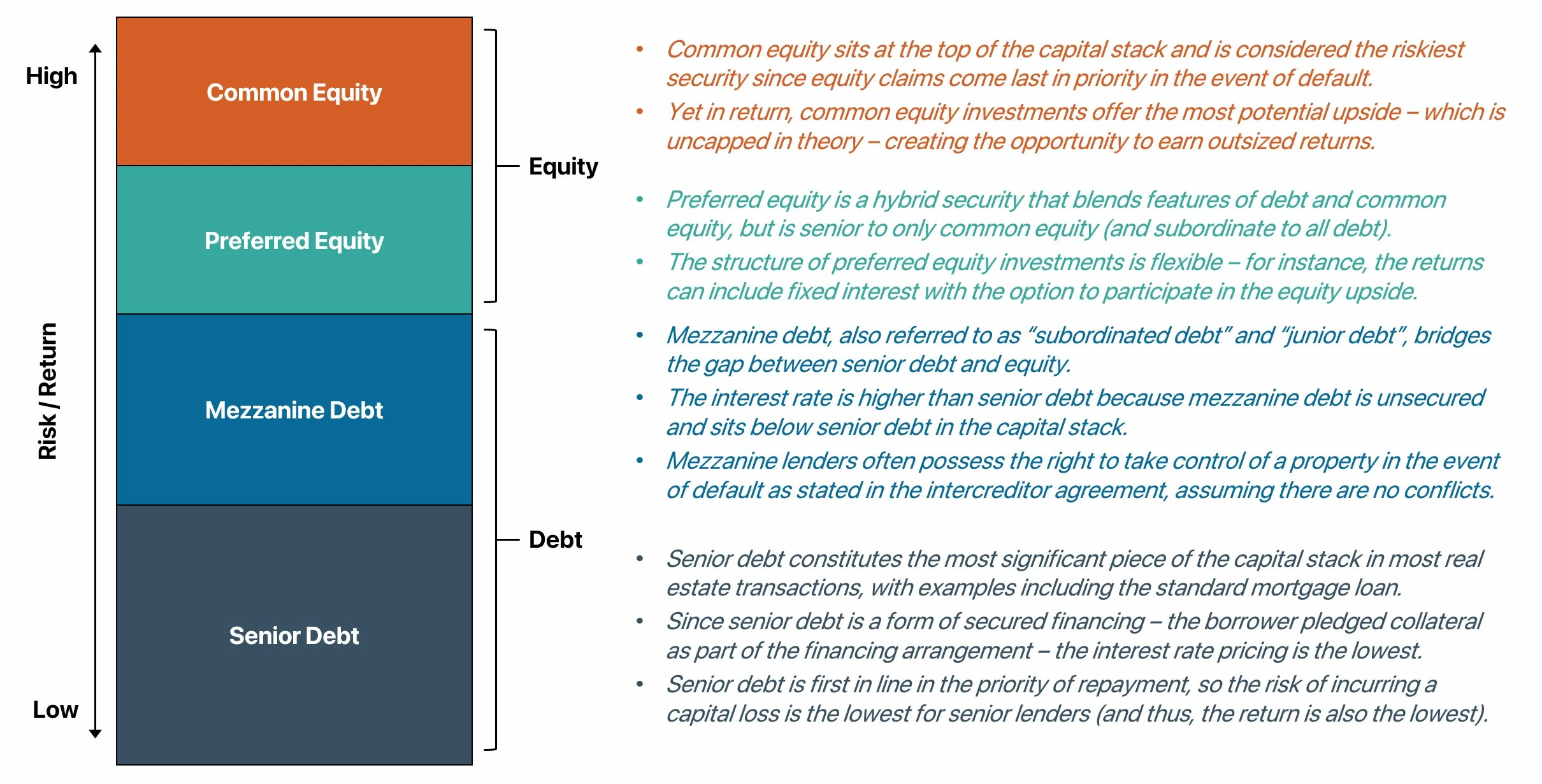
For the first time in history, sports is developing a full capital stack.
And the implications are enormous.
Across two recent Profluence conversations, one with the portfolio managers behind the Gabelli Sports ETF and another with the managing partner of Bluestone Equity, a $300M sports private equity fund, a clear picture emerged:

Sports are no longer just an industry. It’s becoming a financial ecosystem.
Let’s Dive In 👇
Sports Is Becoming a Multi-Layered Asset Class
Institutional investors typically allocate to categories like:
Real estate
Infrastructure
Private equity
Venture capital
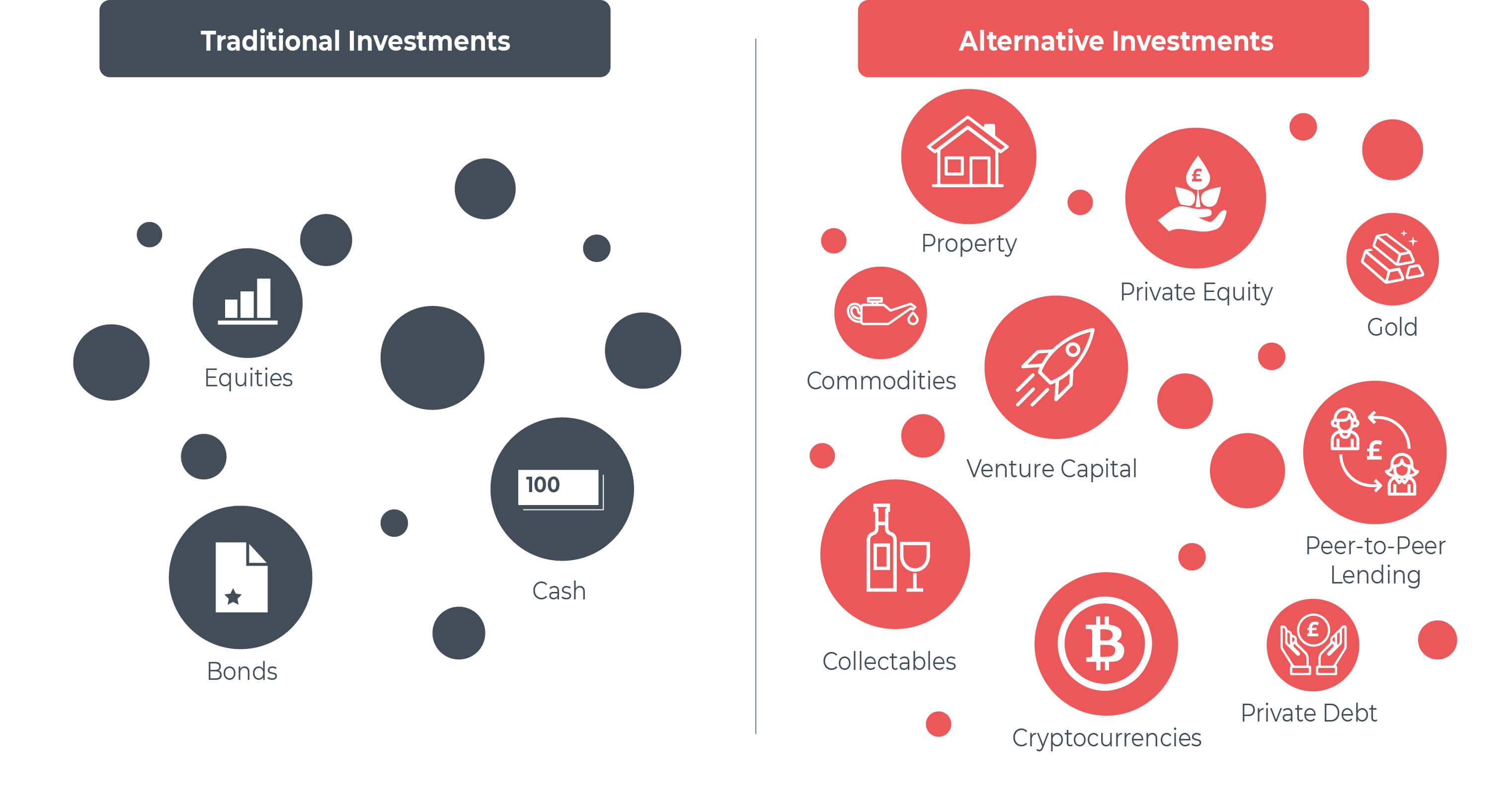
Sports are increasingly joining that list.
Why?
Three structural characteristics make sports unusually attractive to institutional capital.
1. Low Correlation to Traditional Markets
Sports assets historically move differently than public equities.
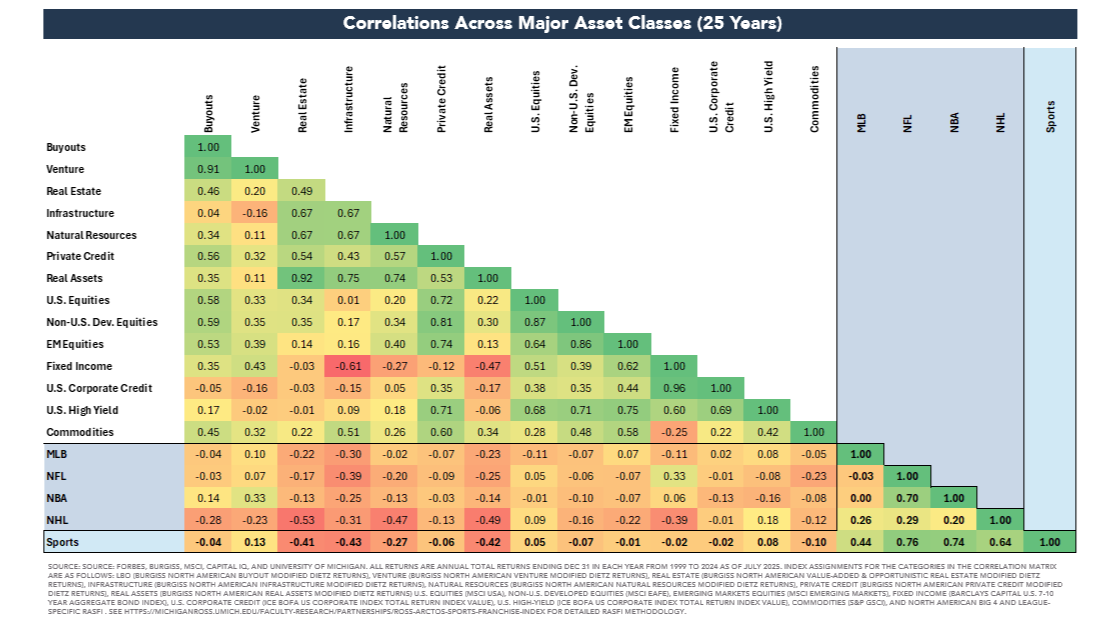
Investors increasingly view sports media and entertainment as uncorrelated exposure, helping diversify portfolios during volatile market cycles.
2. Recession Resistance
Across multiple economic downturns:
dot-com crash
2008 financial crisis
COVID
Sports consumption has remained remarkably resilient.
Fans keep watching + spending & media rights continue growing.
3. Structural Compounding Growth
Sports franchise valuations have compounded dramatically.
Over the past decade, major league teams have appreciated roughly 15% annually, driven by media rights, global fandom, and asset scarcity.
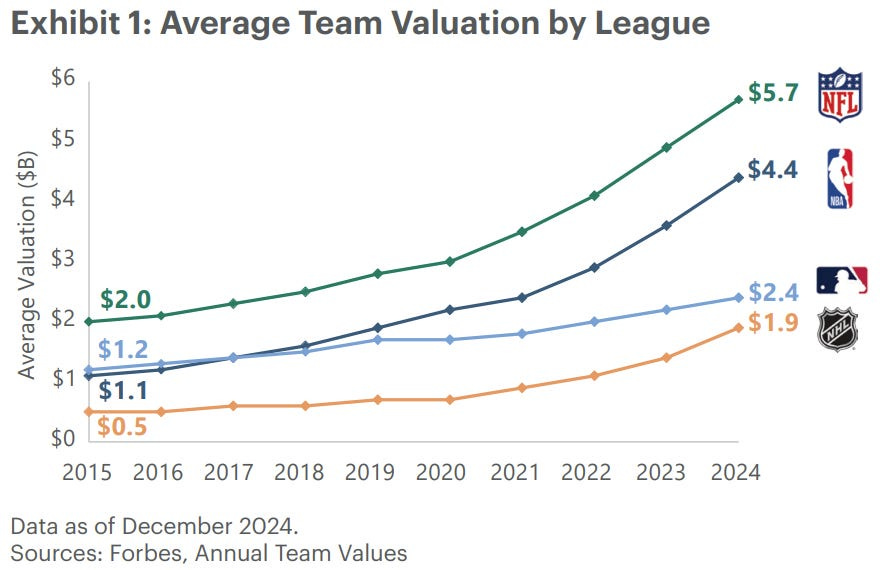
For institutional investors searching for long-duration assets, that combination is powerful.
Put together, the result is clear: Institutional investors increasingly view sports as a durable, long-term asset class.
Public Markets Are Finally Pricing Sports
Historically, sports investing required billions.
If you wanted exposure to sports assets, you had to buy a team.
Public markets are beginning to change that.
Today investors can gain exposure to sports through companies that operate across the ecosystem:
publicly traded teams
stadium operators
ticketing platforms
sports data providers
apparel companies
sports media companies
Gabelli described the strategy as “viewing sports through a broad ecosystem lens rather than just teams”.
But perhaps the most interesting opportunity lies in valuation inefficiencies.
Many public companies that own sports assets trade well below the implied value of those assets.
A good example discussed on the podcast: