


Over the past few weeks, I’ve had the opportunity to sit down with three people who have helped build, operate, finance, and transform businesses across the sports industry.
Each brings a very different perspective:
Rich Routman, President of Minute, the company that owns notable media brands including Sports Illustrated and The Players’ Tribune.
Gary Green, owner of the Richmond Flying Squirrels and Union Omaha, with experience buying, operating, & selling minor league pro sports franchises.
Randall Boe, former executive at Monumental Sports & Entertainment, former Arena Football League commissioner, and an attorney involved in major sports transactions.
We covered everything from AI and media distribution to stadium economics, franchise valuations, and the professionalization of college sports.
Here are some of my biggest takeaways👇
1. Building technology is getting cheaper. Building distribution isn’t.
One of my favorite insights came from Rich.
AI has dramatically lowered the cost of building software. Products that previously required significant development budgets can now be built for a fraction of the cost.
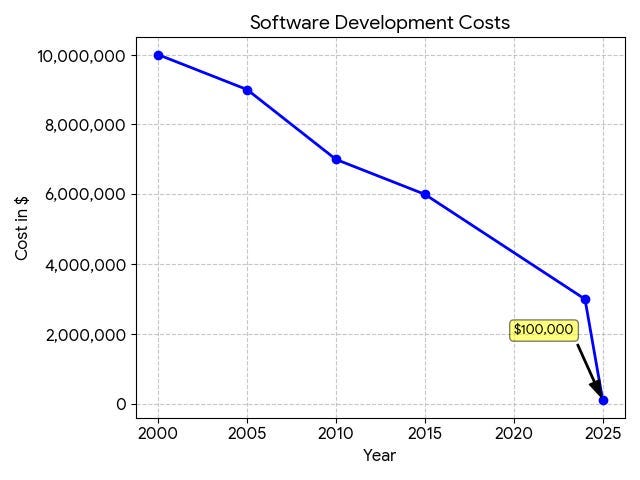
But that doesn’t mean building a successful business is any easier.
As Rich explained, the real expense increasingly comes from customer acquisition, marketing, and getting people to actually use your product.
My takeaway: As technology becomes commoditized…distribution, trusted brands, and existing audiences become increasingly valuable competitive advantages.
2. The future of sports media is bigger than publishing.
Minute has taken an interesting approach to building its business.
Rich explained that roughly 50% of the company’s business is B2B, including its highlights distribution operations serving major sports leagues and publishers.
On the consumer side, the company wants Sports Illustrated to exist everywhere.
Print, social, video, events, creators, and other distribution channels
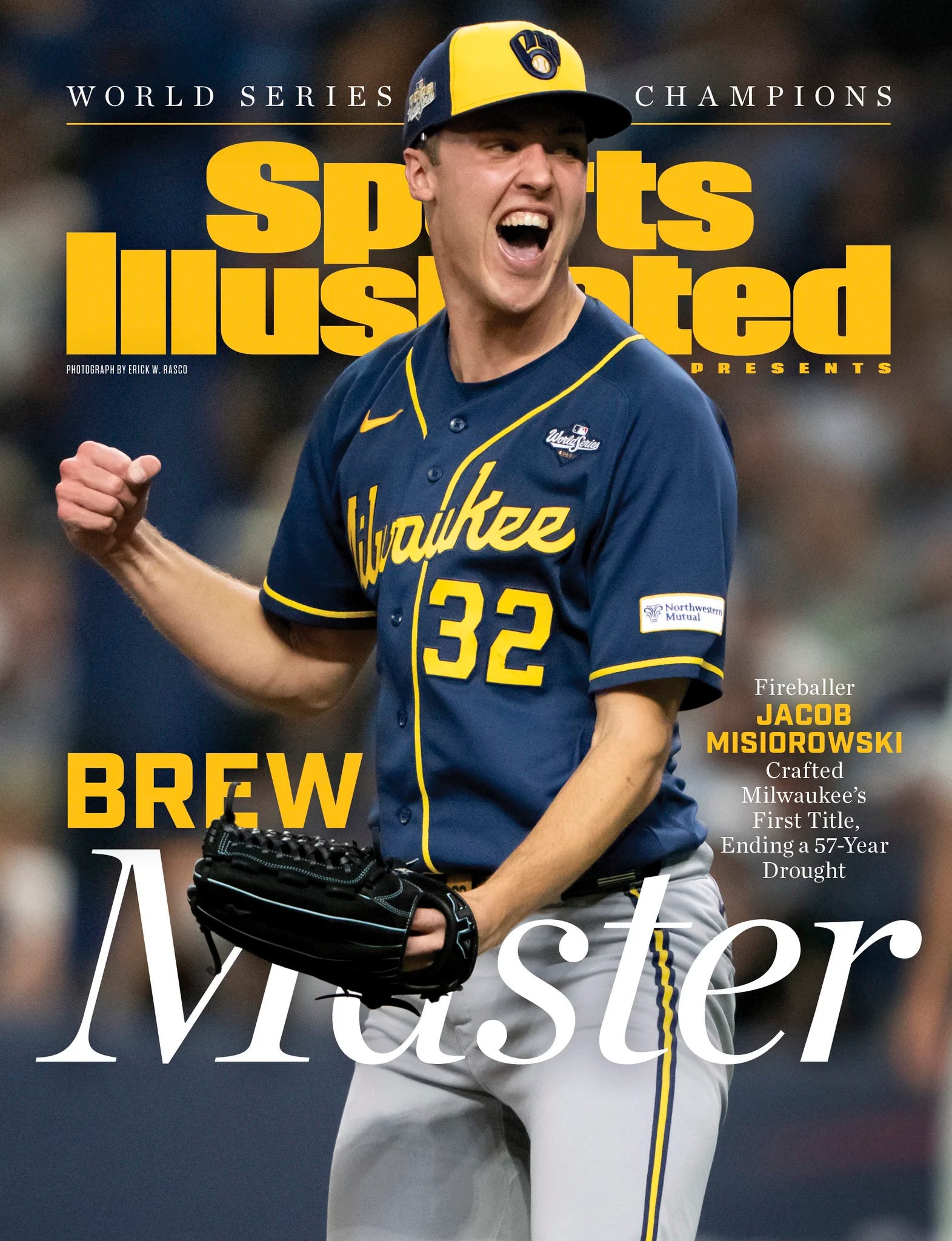
This is a major departure from the era when publishers could build enormous businesses primarily through search traffic.
My takeaway: The strongest media businesses won’t be dependent on a single distribution channel. They’ll own valuable brands, build direct relationships with audiences, and monetize those relationships in multiple ways.
3. In sports, you’re actually in the stadium business.
Gary shared one of the most interesting perspectives I’ve heard from a professional sports team owner.
His view was that, until you’ve secured a new stadium, you’re not really in the team business. You’re in the stadium business.
And having spent years developing Union Omaha, he understands how difficult that process can be.

The stadium creates opportunities for additional events, programming, sponsorships, and revenue beyond the limited number of home matches.
But even those opportunities have constraints, including weather, scheduling, and market demand.
My takeaway: When evaluating emerging sports franchises, the underlying venue economics and control of the surrounding commercial opportunities can matter just as much as the team itself.
4. Not all sports franchises have the same investment profile.
Gary has owned both minor league baseball and professional soccer teams, giving him a rare ability to compare the economics directly.
Minor league baseball offers dozens of home games, relatively predictable operations, and player costs covered by Major League Baseball.
Soccer has far fewer home matches and generally more challenging operating economics.
But Gary believes soccer also offers greater upside.
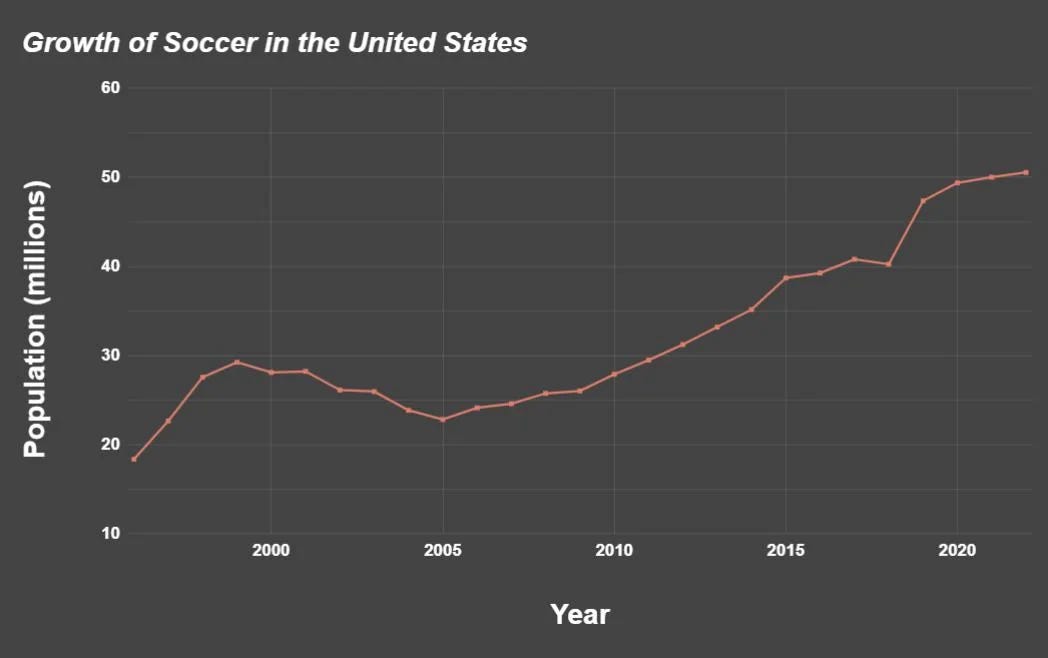
It’s an interesting risk-return tradeoff, especially as more institutional capital enters the sports industry.
My takeaway: Investing in sports isn’t one asset class with one set of economics. Each sport, league, market, and venue creates a different financial profile.
5. College sports is professionalizing at an extraordinary pace.
Randall has been involved in some of the largest transactions in professional sports, including his time helping build Monumental Sports & Entertainment.
He believes college sports is following a similar trajectory to professional sports, just on a significantly accelerated timeline.
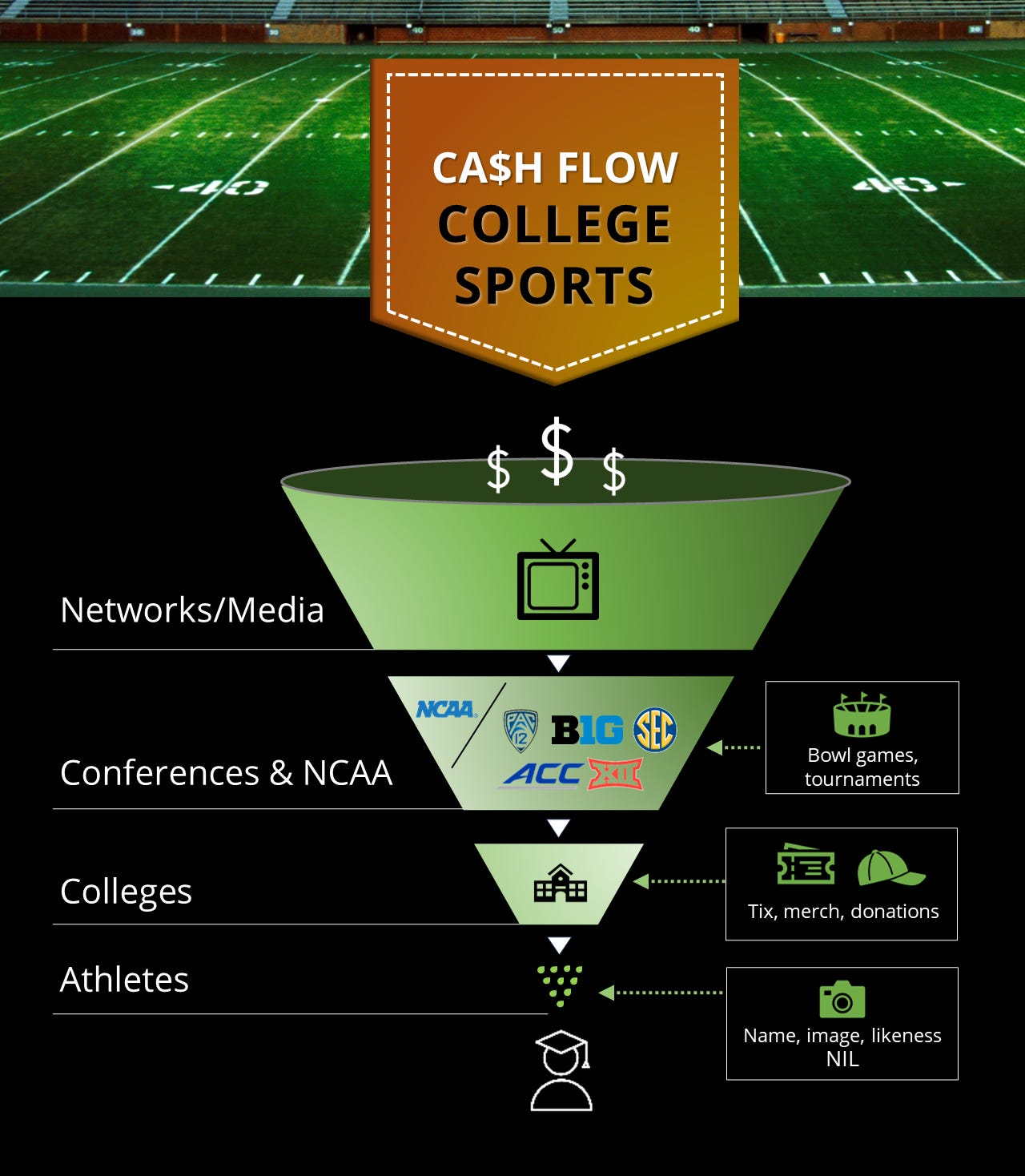
As athlete compensation increases, universities are being forced to rethink nearly everything (revenue generation, player deveopment, media rights, org structure, etc).
Athletic departments that historically operated under one model are increasingly confronting the economics of professional sports organizations.
My takeaway: The professionalization of college sports will create opportunities far beyond the universities themselves, particularly for businesses providing the infrastructure, technology, and services these organizations will need.
6. Media rights remain one of the biggest drivers of franchise valuations.
Randall made another important point about sports franchise economics.
There are only so many ways to generate revenue from a live sporting event.
Tickets, concessions, merchandise, parking, and sponsorships all have natural limitations.
Media rights, however, have historically demonstrated a much greater ability to scale.
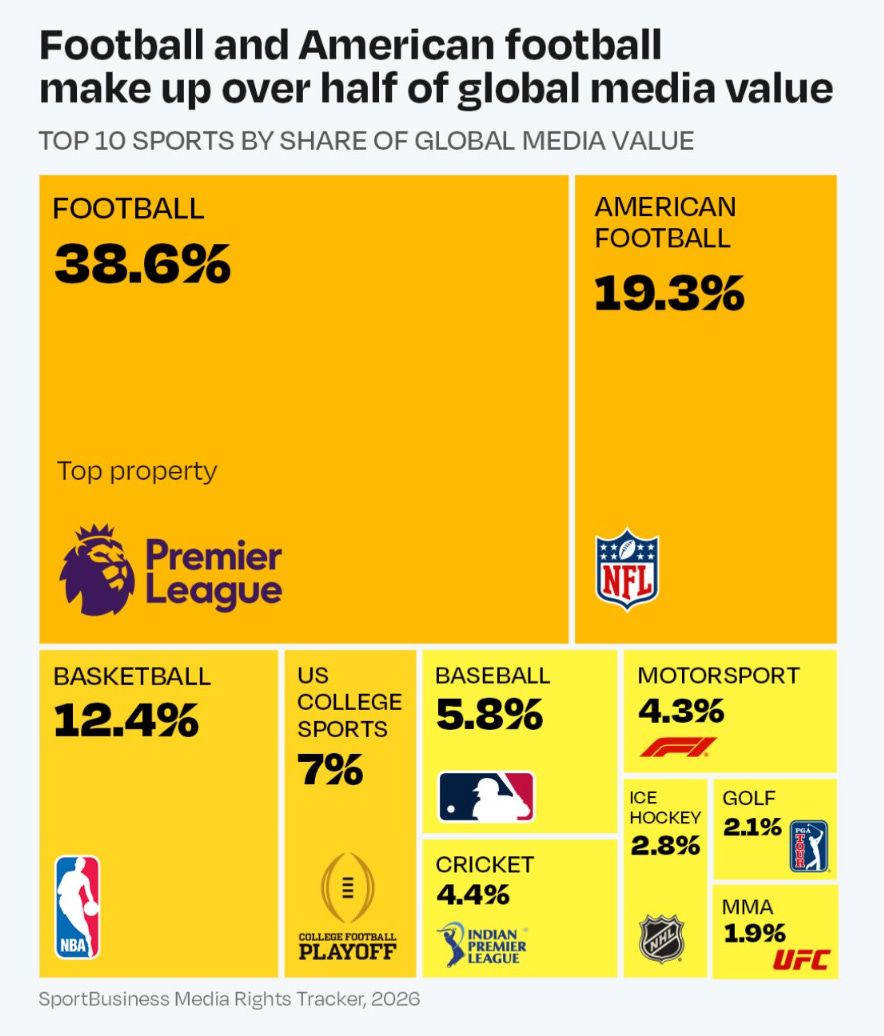
That’s a major reason franchise valuations have kept climbing.
And as those valuations reach tens of billions of dollars, Randall believes ownership structures will eventually need to evolve to accommodate a broader universe of capital.
My takeaway: The next phase of sports investing is changing how assets are financed, monetized, and eventually sold.
The bigger picture
What I found most interesting about these conversations is how interconnected everything is becoming.
Technology is making it cheaper to build products, but more important to own distribution.
Sports teams are becoming increasingly sophisticated businesses, with venues, real estate, and media rights driving value beyond the games themselves.
And capital is flowing into new areas of the industry, forcing organizations to professionalize faster than ever.

The opportunity in sports isn’t limited to owning teams or leagues. It’s increasingly about owning and building the businesses, infrastructure, and distribution that power the entire ecosystem.
That’s a big part of what we’re focused on at Profluence.
And conversations like these only reinforce how much opportunity remains ahead!
Profluence Community Updates
📅 Upcoming Member Events
11/6: Founder’s Fundraising - ask questions about your raise & learn from others
11/18: Community Networking - meet others building in the industry
🔗 Members can RSVP for events here
💬 New Profluence Members
Kathryn - Consultant
Kaela Losey-Lindig - Propel Pro
George Harrington - Creed Venture Partners
🎙 Podcasts
Rich Routman - President, Minute
Gavin Ferlic - CEO, TayCo Brace
Very insightful conversations here - Minute is a massive conglomerate, and TayCo is one of the leading equipment providers.